The Role Of Data Analysis In Making Informed Decisions In Agriculture
The Role Of Data Analysis In Making Informed Decisions In Agriculture
Unlocking the secrets of data analysis has revolutionized countless industries, and agriculture is no exception. In today's digital age, farmers and agricultural professionals have access to an unprecedented amount of data that can provide valuable insights into their operations.
From crop yield predictions to soil health assessments, harnessing the power of data analysis can empower decision-makers in making informed choices that optimize efficiency, sustainability, and ultimately drive success in the field. Join us as we delve into the role of data analysis in agriculture and explore how it can transform traditional farming practices into smart and strategic endeavors!
The Importance of Data Analysis
In the vast world of agriculture, understanding and embracing the importance of data analysis is paramount. Why, you may ask? Well, let's dive in.
Data analysis allows farmers to gain valuable insights into their operations. By analyzing various parameters such as weather patterns, soil conditions, and crop performance metrics, they can uncover hidden patterns and trends that would have otherwise gone unnoticed. This knowledge empowers them to make informed decisions and take proactive measures to maximize productivity while minimizing risks.
Furthermore, data analysis helps identify areas for improvement. By examining historical data on yield fluctuations or pest infestations, agricultural professionals can pinpoint weak spots in their processes and implement targeted strategies for improvement. Whether it's adjusting irrigation schedules or implementing pest management techniques at specific stages of crop growth – access to accurate data makes all the difference.
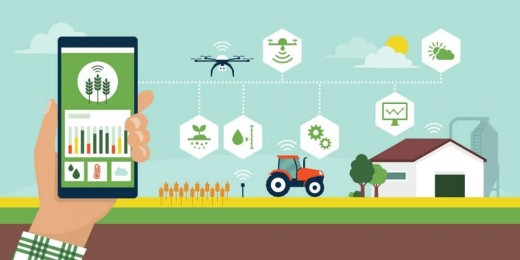
Additionally, data analysis promotes sustainability practices by facilitating precision farming techniques. By collecting information on soil composition and nutrient levels through sensors or drones equipped with imaging technology - farmers can optimize fertilizer usage tailored specifically to each section of their fields. This precise application not only reduces waste but also improves overall crop health while minimizing environmental impact.
Moreover, harnessing the power of data analysis enables predictive modeling capabilities for better risk management. Farmers can use historical climate records combined with real-time sensor readings to forecast potential challenges like droughts or heavy rains accurately. Armed with this knowledge ahead of time allows them to take precautionary measures such as adjusting planting dates or exploring alternative crop options.
Lastly (but certainly not exhaustively), embracing data analysis opens doors for innovation in agriculture. As new technologies emerge - from Internet of Things (IoT) devices capturing real-time field measurements to machine learning algorithms predicting disease outbreaks - utilizing robust analytical tools ensures effective utilization of these advancements in everyday farming practices.
All in all, the importance of data analysis cannot be overstated when it comes to modern-day agriculture initiatives. From optimizing yields and reducing costs to fostering sustainable practices and embracing innovation - data analysis is the key that unlocks a world of possibilities.
How Data Analysis Can Help Make Informed Decisions in Agriculture
Data analysis plays a crucial role in making informed decisions in agriculture. By analyzing data, farmers and agricultural professionals can gain valuable insights that enable them to make more accurate predictions and optimize their practices.
One way data analysis can help is by providing information on weather patterns and climate conditions. By analyzing historical weather data, farmers can better anticipate droughts or heavy rainfall, allowing them to adjust their irrigation schedules or implement preventive measures. This not only helps conserve water resources but also improves crop yield.
Another area where data analysis proves invaluable is pest management. By monitoring the population dynamics of pests and diseases using various sensors and surveillance systems, farmers can identify hotspots and take timely action to control outbreaks. Analyzing this data enables them to choose the most effective treatment methods while minimizing the use of pesticides.
Furthermore, analyzing market trends allows farmers to make informed decisions about what crops to grow or livestock to raise based on consumer demand and profitability. By studying pricing patterns over time, they can determine when it's best to sell their produce for maximum profit.
In addition, financial data analysis helps in budgeting expenses such as fertilizer usage or equipment maintenance costs. It provides a clear picture of which areas are generating revenue and which ones need improvement.
Through careful examination of diverse datasets related to weather, pests, markets, finances,and more -data analysis empowers agricultural stakeholders with knowledge necessary for strategic decision-making.
Through this process, farmers are able ensure sustainable practices, optimize resource utilization, minimize risks, and ultimately achieve greater productivity.
The Different Types of Data Analysis
Data analysis is a crucial aspect of making informed decisions in agriculture. By examining and interpreting data, farmers and agricultural professionals can gain valuable insights into various aspects of their operations. There are several different types of data analysis techniques that can be employed to extract meaningful information from the vast amount of data collected in the agricultural sector.
One common type of data analysis is descriptive analysis, which involves summarizing and organizing large datasets to provide a clear picture of trends and patterns. This allows farmers to identify key factors that may impact crop yields or livestock health, such as weather patterns or nutrient levels in the soil.
Another type is diagnostic analysis, which aims to determine why certain outcomes occurred by analyzing historical data. For example, if a particular crop failed to yield expected results, diagnostic analysis could help identify potential causes, such as pest infestation or inadequate irrigation practices.
Predictive analysis utilizes statistical models and algorithms to forecast future outcomes based on historical data. By identifying correlations between variables like temperature and crop growth rates, farmers can make more accurate predictions about harvest yields or disease outbreaks.
Prescriptive analysis takes predictive analytics a step further by providing recommendations for action based on the predicted outcomes. For instance, prescriptive analytics might suggest adjusting fertilizer application rates based on projected rainfall amounts for optimal plant growth.
There is spatial analysis which focuses on understanding geographic relationships within agricultural systems. It involves mapping variables like soil composition or elevation levels to uncover spatial patterns that may influence farming practices.
In summary, the diverse range of data analytical methods available empowers those in agriculture with actionable insights needed for informed decision-making across all stages - from planting crops to marketing produce- ultimately resulting in improved productivity and sustainability throughout the industry.
The Benefits of Data Analysis
Data analysis in agriculture offers numerous benefits that can greatly impact decision-making processes. One of the key advantages is the ability to uncover patterns and trends within large sets of data, which would otherwise be difficult to detect. By analyzing this information, farmers and agricultural experts can gain valuable insights into crop yields, soil health, weather patterns, pest infestations, and much more.
With these insights at hand, farmers are able to make informed decisions regarding their farming practices. For example, they can adjust irrigation schedules based on predicted rainfall patterns or optimize fertilizer application based on soil nutrient levels. This not only maximizes crop productivity but also minimizes resource wastage.
Furthermore, data analysis allows for predictive modeling and forecasting in agriculture. By using historical data and advanced algorithms, farmers can anticipate future events such as disease outbreaks or market fluctuations. This enables them to take proactive measures to protect their crops or adjust production plans accordingly.
Another benefit of data analysis in agriculture is its role in improving sustainability practices. By analyzing environmental factors alongside crop performance metrics, farmers can identify areas where they can reduce water usage or minimize chemical inputs without compromising yield quality.
Additionally, data analysis facilitates better risk management strategies for agricultural operations. Farmers can assess potential risks associated with climate change impacts or market volatility by studying historical trends and current indicators. This helps them develop contingency plans and diversify their production methods to mitigate risks effectively.
The benefits of data analysis in agriculture are vast – from optimizing resource allocation to enhancing sustainability efforts – it plays a crucial role in making informed decisions that lead to improved productivity and profitability while minimizing environmental impact.
The Limitations of Data Analysis
While data analysis is a powerful tool that can provide valuable insights in agriculture, it's important to recognize its limitations. One limitation is the quality of the data itself. If the data used for analysis is incomplete or inaccurate, then the conclusions drawn from it may also be flawed.
Another limitation is that data analysis can only tell us what has happened in the past. It cannot predict future outcomes with certainty. While historical patterns and trends can provide some guidance, there are always factors outside of our control that can impact agricultural outcomes.
Additionally, data analysis often requires a large amount of time and resources. Collecting and organizing relevant data sets can be a complex process, and analyzing them accurately requires expertise in statistical methods and tools.
Furthermore, relying solely on quantitative data analysis may overlook important qualitative factors that influence decision-making in agriculture. Factors such as local weather conditions, soil composition, and farmer knowledge and experience cannot always be captured by numerical data alone.
Interpreting the results of data analysis requires human judgment. The same dataset can yield different interpretations depending on the context and assumptions made during analysis.
Despite these limitations, when used appropriately alongside other sources of information like expert knowledge and intuition, data analysis remains an invaluable tool for making informed decisions in agriculture.

Comments
Post a Comment