Exploring Vertical Farming Opportunities in Urban Areas
Exploring Vertical Farming Opportunities in Urban Areas
Welcome to the future of farming! In a world where urban spaces are expanding and land availability is shrinking, traditional agriculture faces numerous challenges. But fear not, because there's a revolutionary solution on the rise: vertical farming. This innovative approach allows crops to flourish in indoor environments by utilizing vertical space rather than sprawling fields. Not only does this modern method combat the limitations of traditional farming, but it also offers a plethora of benefits for both producers and consumers alike. So let's dive into the exciting world of vertical farming and explore how it is transforming our concept of agriculture as we know it! Get ready to be amazed by what can be achieved within the concrete jungles we call cities!
What is Vertical Farming?
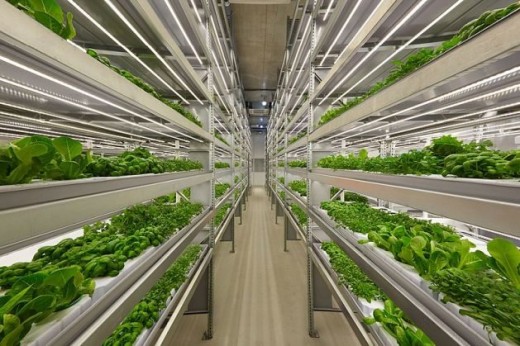
Vertical farming, as the name suggests, is a method of cultivating crops in vertically stacked layers or shelves. Instead of relying on traditional soil-based methods and vast expanses of land, vertical farms utilize hydroponics or aeroponics systems that deliver water and nutrients directly to the plants' roots.
These indoor facilities are designed to optimize space by stacking multiple levels vertically, making it possible to grow a significant quantity of crops in a limited area. Artificial lighting systems such as LED lights provide the necessary spectrum for photosynthesis, ensuring that plants receive optimal light regardless of their position within the vertical farm.
One key advantage of vertical farming is its ability to overcome geographical limitations. By bringing food production closer to urban areas where consumption rates are high, transportation costs can be minimized while reducing carbon emissions associated with long-distance shipping.
Furthermore, vertical farming allows for year-round cultivation without being affected by seasonal changes or adverse weather conditions. This controlled environment enables farmers to have precise control over factors like temperature, humidity levels, and nutrient balance—all essential for maximizing crop yield and quality.
Additionally, this innovative approach reduces water usage significantly compared to traditional agriculture. Vertical farms employ techniques like recirculating water systems that capture excess moisture from plant transpiration and reuse it for irrigation purposes. As a result, water waste is greatly reduced compared to conventional farming methods.
Moreover, because crops are grown indoors without exposure to pests or diseases present in outdoor environments, there's no need for harmful pesticides or herbicides—a win-win situation both for consumer health and environmental sustainability.
In summary, vertical farming represents an exciting shift towards sustainable agricultural practices. With its space-efficient design, ability to bypass geographical constraints, and reliance on advanced technologies, it offers an array of advantages over conventional farming. By embracing this modern approach, we can not only address food security challenges but also create more resilient and environmentally friendly communities. So let's roll up our sleeves and explore how we can get started in the world of vertical farming.
The Benefits of Vertical Farming
Vertical farming offers a multitude of benefits that make it an attractive option for urban areas. One key advantage is the efficient use of space. With limited land available in cities, vertical farming allows crops to be grown upwards, maximizing the use of vertical space instead of spreading out horizontally.
Another benefit is the year-round production potential. Traditional outdoor farming is seasonal and dependent on weather conditions. In contrast, vertical farms can operate 365 days a year, providing a consistent supply of fresh produce regardless of the season or climate.
Vertical farming also reduces transportation costs and carbon emissions associated with long-distance shipping. By growing food closer to where it's consumed, we can significantly decrease our reliance on fossil fuels and minimize our environmental impact.
Additionally, vertical farms are not susceptible to pests and diseases as traditional farms are. The controlled environment in these indoor facilities minimizes the risk of crop damage from insects or plant diseases, reducing the need for pesticides and other harmful chemicals.
Moreover, vertical farming uses less water compared to conventional agriculture methods. Through hydroponics or aeroponics systems that deliver nutrients directly to plants' roots without soil, water usage can be optimized while still ensuring healthy growth.
By bringing agriculture into urban areas through vertical farming initiatives, communities have increased access to fresh and nutritious food options right at their doorstep. This promotes healthier eating habits and improves overall food security in densely populated regions.
In conclusion (as per your instructions), there are numerous benefits associated with implementing vertical farms in urban settings – from efficient land utilization and year-round production capabilities to reduced transportation costs and improved food security. These advantages highlight why exploring opportunities for vertical farming in urban areas could revolutionize how we grow our food sustainably.
The Challenges of Vertical Farming
Vertical farming is an innovative approach to agriculture that brings its fair share of challenges. One major challenge is the high initial investment required to set up a vertical farm. The cost of constructing and equipping the facility with the necessary lighting, irrigation systems, and climate control can be substantial.
Another challenge is the need for specialized knowledge and expertise in agronomy, horticulture, and technology. Vertical farming relies heavily on advanced technologies such as hydroponics or aeroponics, which may require extensive training and experience to operate effectively.
The limited space available in urban areas presents yet another obstacle. Vertical farms must make efficient use of their space by maximizing crop density through careful planning and strategic design. Additionally, securing suitable locations within cities can be challenging due to zoning restrictions or high real estate costs.
Maintaining optimal environmental conditions within a vertical farm also poses difficulties. Temperature control, humidity regulation, air circulation - all these factors must be carefully managed to ensure healthy plant growth. Any deviations from ideal conditions could lead to lower yields or even crop failures.
Furthermore, energy consumption is a concern in vertical farming due to the intensive use of artificial lighting systems needed for year-round production. Finding sustainable energy sources or optimizing efficiency are crucial aspects that need attention.
Despite its potential benefits for local food production and reducing carbon footprint from transportation logistics—vertical farming still faces skepticism from some who question its scalability and economic viability compared to traditional agricultural practices.
Overcoming these challenges requires innovation, collaboration between experts from different fields such as agriculture science & technology along with continuous research efforts aimed at improving efficiency while minimizing costs associated with vertical farming methods.
How to Get Started in Vertical Farming
Getting started in vertical farming may seem like a daunting task, but with the right approach and resources, it can be a rewarding venture. Here are some key steps to help you kickstart your journey into urban agriculture.
1. Conduct thorough research: Before diving headfirst into vertical farming, take the time to educate yourself about various aspects of this industry. Learn about different types of crops that thrive in controlled environments, understand the technology involved in vertical farming systems, and familiarize yourself with market trends and consumer demands.
2. Develop a solid business plan: Like any other business venture, having a well-defined plan is crucial for success. Outline your goals, target market, financial projections, and marketing strategies. Consider factors such as land availability or leasing options for setting up your farm.
3. Secure funding: Vertical farming requires significant upfront investment for infrastructure setup and operational costs. Explore funding options such as loans from banks or government grants specifically designed for agricultural projects.
4. Choose suitable equipment and technologies: Selecting the right equipment is essential for efficient crop production in vertically stacked systems. Consider factors like lighting systems (LEDs or natural light), irrigation methods (hydroponics or aeroponics), climate control mechanisms (temperature and humidity regulation), and automation tools to optimize resource utilization.
5. Find an appropriate location: In urban areas where space is limited, finding an ideal location can be challenging but not impossible! Look for vacant buildings or unused rooftops that offer sufficient square footage to accommodate your vertical farm setup.
6. Establish partnerships/networking: Collaborating with local restaurants, grocery stores, farmers' markets or community-supported agriculture programs can ensure steady demand for your produce while also building relationships within the local food ecosystem.
7. Expand knowledge through continuous learning: Stay updated on emerging technologies related to vertical farming by attending workshops/seminars/webinars offered by experts in the field; join online communities where experiences are shared; learn from fellow vertical farmers to enhance your skills and expertise.
Conclusion
Vertical farming presents a promising opportunity for urban areas to address the challenges of food production and sustainability. With its ability to maximize space, conserve resources, and provide fresh produce year-round, vertical farming has the potential to revolutionize the way we grow our food.
While there are certainly challenges associated with vertical farming such as high initial costs and technical complexities, advancements in technology and increased awareness of sustainable agriculture practices are making it more accessible than ever before. By tapping into innovative solutions like hydroponics or aeroponics systems, aspiring vertical farmers can overcome these obstacles and pursue their passion for growing food in a sustainable manner.
If you're interested in getting started in vertical farming, there are several key steps you can take. Begin by conducting thorough research on best practices, attending workshops or courses related to indoor farming techniques, and connecting with experienced professionals in the field. Additionally, consider partnering with local restaurants or grocery stores that value locally sourced produce to establish a market for your crops.
Remember that patience is key when venturing into vertical farming. It may take time to fine-tune your operations and achieve optimal results. However, with dedication and perseverance, you have the opportunity not only to contribute towards a more sustainable future but also create a successful business venture.
So why wait? Start exploring the possibilities of vertical farming today! With its numerous benefits and increasing demand for sustainably grown produce, this innovative agricultural practice holds immense potential for both individuals looking to make an impact on their community's food system as well as entrepreneurs seeking profitable opportunities within urban areas.
Embrace this exciting journey towards sustainable agriculture through vertical farming – where sky-high harvests await!

Comments
Post a Comment