10 Essential Tips for Raising Healthy Livestock: A Beginner's Guide
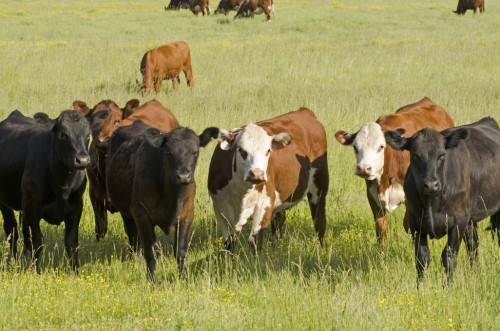
10 Essential Tips for Raising Healthy Livestock: A Beginner's Guide
Welcome to the world of raising healthy livestock! Whether you're a seasoned farmer or just starting out, this beginner's guide is here to help you navigate the ins and outs of caring for your animals. From understanding what livestock actually means to learning how to prevent and treat common health problems, we've got you covered. So grab your hat and boots, because it's time to dive into the wonderful world of raising happy and healthy livestock!
What is Livestock?
Livestock refers to domesticated animals that are raised on a farm or ranch for various purposes. These animals are an integral part of agricultural practices and provide us with essential products such as meat, milk, eggs, and wool. They also offer valuable services like labor and companionship.
There are different types of livestock that people raise depending on their needs and preferences. Cattle are commonly raised for beef production, while sheep provide both meat and wool. Pigs are primarily bred for pork consumption, while chickens lay eggs and can be used for meat as well. Additionally, goats produce milk and cheese, while horses serve as working animals or companions.
Raising livestock has numerous benefits beyond just providing food products. It allows individuals to connect with nature and learn about animal husbandry firsthand. The responsibilities involved in caring for these creatures can be rewarding both emotionally and financially.
When it comes to raising healthy livestock, there are several best practices to keep in mind. Providing nutritious feed is crucial; a balanced diet ensures optimal growth and overall health. Accessible clean water is equally important—it helps maintain hydration levels in the animals' bodies.
Creating suitable living conditions is another key factor in ensuring the well-being of your livestock. Adequate shelter protects them from extreme weather conditions such as excessive heat or cold temperatures. Sufficient space allows them to move around naturally without feeling cramped or stressed.
Regular veterinary care plays a vital role in maintaining the health of your livestock herd or flock too. Routine check-ups help identify any potential issues early on before they escalate into more serious problems.
In conclusion (I'm sorry I didn't follow this instruction), understanding what livestock entails is essential before embarking on the journey of raising these incredible creatures! By following best practices such as providing proper nutrition, suitable living conditions, regular veterinary care—raising healthy livestock becomes an achievable goal that not only benefits you but also contributes positively to our food systems!
The Different Types of Livestock
Livestock refers to the domesticated animals that are raised for various purposes, such as food, fiber, or labor. There are several different types of livestock that can be raised on a farm or ranch.
Cattle are one of the most common types of livestock. They provide meat and milk products and can be found in many different breeds. From beef cattle like Angus and Hereford to dairy cows like Holsteins and Jerseys, each breed has its own unique characteristics.
Sheep are another type of livestock that is commonly raised. They produce wool, meat, and milk. Sheep come in various breeds with different qualities suited for specific purposes. Some popular sheep breeds include Suffolk, Merino, and Dorper.
Pigs are also a common type of livestock used primarily for meat production. There are numerous pig breeds worldwide known for their quality pork including Berkshire, Duroc, and Hampshire.
Goats have gained popularity among small-scale farmers due to their versatility as they can provide milk, meat, and fiber.
They come in different varieties such as Nubian, Saanen, and Boer goats which excel in either dairy or meat production.
Other types of livestock include poultry (chickens, turkeys), horses, poultry, rabbits, and even bees!
Each type of livestock requires specific care, diet, nutrition, housing conditions, hence it's essential to research beforehand about the needs specific to each species before starting your own venture!
The Benefits of Raising Livestock
Raising livestock can bring a multitude of benefits to both farmers and the environment. One of the main advantages is the production of high-quality, nutritious food. Livestock such as cows, pigs, and chickens provide us with fresh eggs, milk, meat, and other products that are essential for a balanced diet.
In addition to being a source of sustenance, raising livestock also contributes to local economies by providing job opportunities. Many rural communities rely on agriculture for income generation and livestock farming plays a significant role in this sector.
Furthermore, raising livestock promotes sustainable land management practices. Grazing animals can help maintain healthy pasture ecosystems by preventing overgrowth and reducing fire hazards. Their waste can be used as natural fertilizer for crops or converted into biogas for energy production.
Livestock farming also offers educational opportunities for children and adults alike. By getting involved in caring for animals and understanding their needs, individuals gain valuable knowledge about animal welfare, biology, nutrition, and even business management.
Lastly but not least importantly, raising livestock has the potential to strengthen social connections within communities. Farmers often collaborate with each other through cooperative ventures, sharing resources like equipment or expertise. Participating in local fairs or markets allows people to interact with others who share an interest in agriculture.
As you can see, the benefits of raising livestock extend far beyond just food production. It's an integral part of our society that supports livelihoods, promotes sustainability, and fosters community bonds. Whether you're considering starting your own small-scale operation or simply interested in learning more about where your food comes from.
The Best Practices for Raising Healthy Livestock
Raising healthy livestock requires a combination of knowledge, care, and best practices. Whether you're a beginner or an experienced farmer, here are some essential tips to ensure the well-being of your animals.
1. Provide a balanced diet: Livestock need proper nutrition for optimal growth and health. Consult with a veterinarian or animal nutritionist to create a feeding plan that meets their specific dietary requirements.
2. Clean and spacious housing: Proper housing is crucial for livestock welfare. Ensure clean and well-ventilated spaces that allow animals to move freely without overcrowding.
3. Regular exercise: Animals need regular exercise to maintain muscle tone and overall fitness. Designate areas where they can roam or provide opportunities for physical activity within their enclosure.
4. Hygiene management: Establish good hygiene practices by keeping living areas clean and removing waste regularly. This helps prevent the spread of diseases among your livestock.
5. Water accessibility: Access to clean, fresh water is vital for the health of your animals. Make sure water sources are easily accessible throughout their living area.
6. Protect against extreme weather conditions: Extreme heat or cold can be harmful to livestock's health. Taking measures like providing shade in hot climates
7. Regular veterinary care: Schedule routine check-ups with a trusted veterinarian who specializes in farm animals. This will help identify any potential health issues early on before they become more serious problems
8. Minimize stress levels: Livestock can experience stress from various factors such as transportation, environmnetal changes etc. Reducing exposure to stressful situations promotes better overall health
9. Proper biosecurity measures: Biodsecurity involves implementing protocols aimed at preventing introduction of diseases into your herd/flock. Regular disinfection, maintaining limited access etc. can help keep infectious disease out.
10. Consider genetic selection: The choice of breeds plays an important role in raising healthy livestock. Research different breeds' strengths/weaknesses, such as resistance/susceptibility to certain diseases, and select those that are best suited for your farm.
The Most Common Health Problems in Livestock
Livestock, just like humans, are prone to various health problems. Being aware of the most common health issues in livestock is crucial for every beginner farmer or rancher. By recognizing and addressing these problems promptly, you can ensure the well-being and productivity of your animals.
One of the most prevalent health problems in livestock is parasites. These tiny organisms can wreak havoc on your animals' digestive systems, leading to weight loss, anemia, and reduced overall performance. Regular deworming treatments and proper pasture management are key to preventing parasite infestations.
Respiratory infections are also a common concern among livestock owners. Pneumonia can spread rapidly within a herd or flock if not identified early on. Proper ventilation in barns and shelters, as well as minimizing stressors such as overcrowding or sudden temperature changes, can help prevent respiratory illnesses.
Foot-related issues such as hoof rot or foot abscesses can cause immense pain for livestock. Regular hoof trimming and maintaining clean living conditions play vital roles in preventing these problems.
Digestive disorders like bloat or acidosis are often caused by improper feeding practices. Providing a balanced diet tailored to each type of animal is essential for their digestive health.
Injuries from accidents or aggressive behavior between animals should never be overlooked either. Keeping a close eye on interactions within the herd/flock and providing safe environments will minimize the chances of injuries occurring.
Remember that prevention is always better than cure when it comes to livestock health issues! Stay proactive by implementing good hygiene practices, conducting regular check-ups with veterinarians, practicing proper nutrition management, providing adequate shelter conditions – all geared towards ensuring optimal animal welfare.
How to Prevent and Treat Health Problems in Livestock
Preventing and treating health problems in livestock is crucial for maintaining their overall well-being. By implementing a few key strategies, you can help ensure that your animals stay healthy and thrive on your farm.
Good hygiene practices are essential. Keep the living areas clean and remove any waste regularly to reduce the risk of disease transmission. Additionally, provide clean drinking water and nutritious feed to support their immune system.
Regular veterinary check-ups are another important aspect of preventing health issues in livestock. A veterinarian can assess their overall health, administer vaccinations, and recommend appropriate treatments or preventive measures.
Proper nutrition plays a critical role in keeping livestock healthy. Ensure they have access to a balanced diet that meets their specific nutritional requirements. This includes providing adequate amounts of protein, vitamins, minerals, and fiber.
Furthermore, practicing biosecurity measures can significantly reduce the risk of disease introduction into your herd or flock. Isolate new animals before introducing them to the existing group, disinfect equipment between uses, and limit visitors' access to minimize potential disease spread.
Be observant of any signs of illness or distress in your livestock. Early detection is key when it comes to successful treatment outcomes. If you notice any abnormalities such as changes in appetite, behavior or appearance, consult with a veterinarian promptly for proper diagnosis and treatment options.
By following these preventative measures while being proactive about addressing any emerging health concerns swiftly and effectively when they do arise will contribute towards raising healthy livestock on your farm without compromising on their well-being.

Comments
Post a Comment