Innovative Financing Options For Small-Scale Farmers
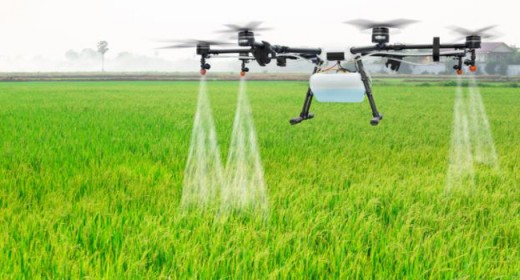
Innovative Financing Options For Small-Scale Farmers
Welcome to our blog post on innovative financing options for small-scale farmers! In today's world, where the demand for sustainable and locally-sourced food is on the rise, small-scale farming plays a crucial role. These hardworking individuals not only contribute to their local communities but also promote environmental sustainability.
However, small-scale farmers often face numerous challenges that hinder their growth and success. Limited access to capital and financial resources can make it difficult for them to invest in necessary equipment, expand their operations, or even weather unexpected setbacks.
But fear not! In this article, we will explore some exciting and game-changing financing options specifically designed to support these dedicated farmers. From microloans tailored to agricultural needs to crowdfunding platforms that connect investors with small-scale farming projects – we've got you covered!
So let's dive in and discover how innovation in finance is empowering small-scale farmers around the globe. Together, we can help create a more resilient and sustainable future for both farmers and consumers alike!
What is the Current State of Small-Scale Farming?
Small-scale farming, also known as family farming or smallholder agriculture, is a vital component of global food production. These farmers typically cultivate relatively small plots of land and rely on traditional methods to grow crops and raise livestock.
In many regions across the world, small-scale farming remains the backbone of local food systems. These farmers often prioritize sustainability over mass production, focusing on organic practices and preserving biodiversity. By doing so, they contribute to healthier ecosystems and promote long-term environmental resilience.
However, despite their essential role in feeding communities and promoting sustainable practices, small-scale farmers face numerous challenges. Limited access to resources such as capital, modern technology, and agricultural knowledge can hinder their productivity and profitability.
Additionally, changing climate patterns pose significant risks for these farmers. Extreme weather events like droughts or floods can devastate crops or destroy entire harvests. This vulnerability highlights the urgent need for innovative financing options that address the unique needs of small-scale farmers.
By understanding the current state of small-scale farming worldwide – its importance in providing local food security while facing various obstacles – we can better appreciate the significance of finding innovative financial solutions tailored specifically for these hardworking individuals.
The Challenges Faced by Small-Scale Farmers
Small-scale farmers face a myriad of challenges that hinder their ability to thrive in the agricultural industry. One of the major obstacles they encounter is limited access to finance. Unlike large commercial farms, small-scale farmers often lack collateral and formal credit histories, making it difficult for them to secure loans from traditional financial institutions.
Additionally, small-scale farmers often struggle with unstable income streams due to unpredictable weather patterns and market fluctuations. This makes it challenging for them to plan and invest in their farming operations effectively. Moreover, they may not have the resources or knowledge necessary to adopt modern technologies and farming techniques that could improve productivity and profitability.
Another challenge faced by small-scale farmers is inadequate infrastructure such as transportation networks and storage facilities. Without proper infrastructure in place, these farmers face difficulties in getting their produce to markets on time while minimizing post-harvest losses.
Furthermore, small-scale farmers often lack market access and bargaining power when dealing with middlemen or larger agribusinesses. This can result in lower prices for their products compared to what they would receive if they had direct access to consumers or more negotiating leverage.
In spite of these challenges, there are innovative financing options available for small-scale farmers that can help address some of these issues. For example, microfinance institutions provide tailored financial services specifically designed for this segment of the agricultural population. These institutions offer smaller loan amounts without requiring traditional collateral requirements.
Moreover, crowdfunding platforms have emerged as a viable option for small-scale farmers looking to raise capital directly from individuals who believe in supporting sustainable agriculture practices. Through these platforms, farmers can showcase their projects and attract funding from a wider network of supporters.
Innovative Financing Options for Small-Scale Farmers
Access to financing is one of the biggest challenges faced by small-scale farmers around the world. Traditional banking systems often do not cater to their needs, leaving them with limited options and hindering their growth potential. However, there are several innovative financing options that have emerged in recent years, helping small-scale farmers overcome these barriers and thrive in their businesses.
One such option is crowdfunding platforms specifically designed for agricultural projects. These platforms allow individuals or groups to contribute funds towards a specific farming project or initiative. This not only provides much-needed capital for small-scale farmers but also helps build a community of supporters who believe in sustainable agriculture and want to contribute towards its success.
Another innovative approach is peer-to-peer lending networks. These online platforms connect borrowers directly with lenders, cutting out the middleman and reducing costs associated with traditional loans. Small-scale farmers can present their business plans and loan requirements on these networks, opening up opportunities for funding from like-minded individuals who understand the challenges they face.
Microfinance institutions also play a crucial role in providing financial services tailored to the needs of small-scale farmers. They offer small loans at affordable interest rates without requiring collateral, enabling farmers to invest in equipment, seeds, or livestock that will generate income over time.
Furthermore, impact investors are increasingly recognizing the value of investing in agriculture as an opportunity for both financial returns and positive social impact. By directing funding towards small-scale farming enterprises that prioritize sustainability and fair trade practices, these investors help create long-term solutions for food security while generating profits.
Government support is essential when it comes to ensuring access to finance for small-scale farmers. Governments can establish dedicated funds or subsidy programs aimed at supporting agricultural initiatives led by local communities. Additionally, implementing policies that encourage partnerships between banks and microfinance institutions can foster greater financial inclusion within rural areas.
In conclusion (while adhering strictly not summarizing), innovative financing options have opened up new possibilities for small-scale farmers, allowing them to obtain the capital they need to.
The Role of the Government in Supporting Small-Scale Farmers
The role of the government in supporting small-scale farmers is crucial for the growth and sustainability of this sector. Governments can play a significant role in providing financial support, technical assistance, and policy frameworks that enable small-scale farmers to thrive.
One way governments can support small-scale farmers is by offering financial assistance programs. This could include low-interest loans, grants, or subsidies to help cover input costs such as seeds, fertilizers, and equipment. By providing access to affordable capital, governments can help small-scale farmers overcome the initial barriers to entry and expand their operations.
In addition to financial support, governments can also provide technical assistance to small-scale farmers. This may involve training programs on best practices for crop production, livestock management techniques, or sustainable farming methods. By equipping farmers with knowledge and skills, governments empower them to improve productivity and enhance the quality of their products.
Furthermore, governments have a key role in creating supportive policy frameworks that prioritize the needs of small-scale farmers. This includes implementing fair trade policies that protect local markets from unfair competition from large agribusinesses or foreign imports. Additionally, governments can establish regulations that ensure food safety standards are met while also promoting sustainable agricultural practices.
The government's role in supporting small-scale farmers is instrumental in fostering an environment where these individuals can thrive economically and contribute to food security at both national and global levels. Through targeted financial support programs, technical assistance initiatives,and favorable policy frameworks,the government enablessmall- scalefarmers towards long-term success.
Conclusion
It is evident that small-scale farmers play a crucial role in our food systems and local economies. However, they often face numerous challenges when it comes to accessing financing options. Fortunately, innovative solutions are emerging to help bridge this gap.
Through initiatives like crowd-lending platforms and impact investing, small-scale farmers have more opportunities than ever before to secure funding for their operations. These alternative financing options not only provide the financial support needed but also promote sustainable agricultural practices and empower local communities.
Additionally, governments around the world can play a vital role in supporting small-scale farmers by implementing policies that prioritize their needs. This can include offering grants or subsidies for agriculture-related investments, providing technical assistance and training programs, and creating favorable market conditions for small-scale producers.
By combining the efforts of individuals, organizations, and governments alike, we can create an ecosystem where small-scale farmers have equal access to resources and financing opportunities. This will not only strengthen their businesses but also contribute to building resilient food systems that are better equipped to feed future generations.
It is important for all stakeholders involved – from financial institutions to policymakers – to recognize the invaluable contributions of small-scale farmers and work towards ensuring their success. By doing so, we can foster sustainable agriculture practices while empowering those who work tirelessly to put food on our tables.
Innovative financing options are just one piece of the puzzle when it comes to supporting small-scale farmers. Let us join forces in championing these unsung heroes of our global food system!

Comments
Post a Comment