Effective Water Management Strategies For Agricultural Enterprises
Effective Water Management Strategies For Agricultural Enterprises
Welcome to our blog post on effective water management strategies for agricultural enterprises! Water is a precious resource that plays a crucial role in the success of any farming operation. Whether you're growing crops or raising livestock, implementing efficient water management practices can help optimize yields, minimize costs, and promote sustainability.
In this article, we will explore different types of irrigation systems commonly used in agriculture and discuss their pros and cons. We'll also delve into best water management practices for various types of crops, helping you make informed decisions about optimizing your water usage.
So let's dive right in and discover how you can effectively manage water resources for your agricultural enterprise!
Importance of Water Management in Agriculture
Water management is a critical aspect of agriculture that cannot be overlooked. Water plays a vital role in the growth and development of crops, ensuring their survival and productivity. Without proper water management strategies in place, farmers risk facing crop failure, reduced yields, and increased costs.
One of the primary reasons why effective water management is crucial for agricultural enterprises is because it helps conserve this valuable resource. By implementing efficient irrigation systems and practices, farmers can ensure that every drop of water is used effectively without wastage. This not only saves money but also promotes environmental sustainability by reducing the strain on natural water sources.
Furthermore, proper water management allows farmers to tailor their irrigation methods according to specific crop requirements. Different crops have different moisture needs at various stages of growth. With careful monitoring and controlled watering techniques, farmers can provide the right amount of water at the right time, promoting optimal plant health and maximizing yield potential.
In addition to conserving resources and meeting crop needs, effective water management also impacts soil health positively. Over-irrigation or poor drainage can lead to soil erosion and nutrient leaching – causing long-term damage to agricultural land. By implementing appropriate irrigation systems such as drip or sprinkler irrigation methods tailored to your soil type and crop requirements, you can maintain healthy soil structure while preventing runoff issues.
Understanding the importance of managing water efficiently in agriculture is essential for sustainable farming practices that support both economic viability and environmental conservation efforts. Now let's explore some common types of irrigation systems used by farmers worldwide!
Different Types of Irrigation Systems
When it comes to water management in agriculture, choosing the right irrigation system is crucial. There are several different types of irrigation systems available, each with its own advantages and disadvantages. Let's explore some of these options:
1. Drip Irrigation: This method involves delivering water directly to the plant's root zone through a network of tubes or pipes with emitters. It is highly efficient as it minimizes evaporation and runoff.
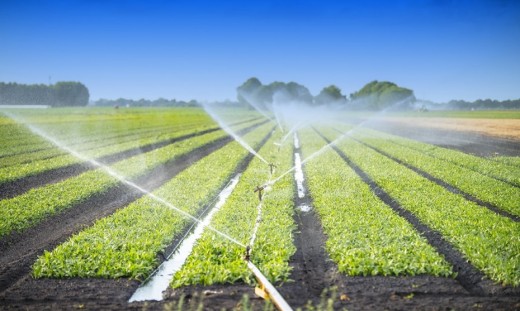
2. Sprinkler Irrigation: In this system, water is distributed over the field using sprinklers that spray water into the air like rainfall. It can cover large areas quickly but may result in more evaporation.
3. Center Pivot Irrigation: This popular system features a pivot point from which long arms extend outwards carrying sprinklers that rotate around a central point. It is ideal for circular or square fields.
4. Furrow Irrigation: This traditional method involves creating small channels (furrows) between crop rows and filling them with water from an external source such as a canal or ditch.
Each type of irrigation system has its own set of pros and cons, depending on factors such as crop type, soil conditions, climate, and budget considerations among others.
Remember to assess your specific needs before choosing an irrigation system for your agricultural enterprise!
Drip Irrigation
Drip irrigation is a highly efficient method of water management in agriculture. Unlike traditional overhead sprinkler systems, drip irrigation delivers water directly to the roots of plants, minimizing evaporation and ensuring that every drop counts.
One of the main advantages of drip irrigation is its precision. By using emitters spaced along a network of tubes, farmers can control exactly how much water each plant receives. This not only conserves water but also helps to prevent overwatering, which can lead to root rot and other diseases.
Another benefit of drip irrigation is its ability to reduce weed growth. Since water is delivered directly to the plant's root zone, there is less moisture on the soil surface for weeds to take hold. This saves both time and labor by eliminating or reducing the need for manual weeding.
Furthermore, drip irrigation allows for better nutrient uptake by plants. The slow release of water ensures that nutrients are evenly distributed throughout the soil profile, promoting healthier and more vigorous growth.
In addition to these advantages, drip irrigation systems are relatively easy to install and maintain. They can be customized according to crop type, spacing requirements, and field layout.
Drip irrigation offers a multitude of benefits for agricultural enterprises seeking effective water management strategies. It promotes optimal plant health while conserving precious resources—a win-win situation for farmers and the environment alike!
Sprinkler Irrigation
Sprinkler irrigation is a popular and effective method of water management in agriculture. It involves the use of sprinklers to distribute water over the crops in a controlled manner. This system is particularly beneficial for larger agricultural enterprises with vast fields.
One advantage of sprinkler irrigation is its ability to provide uniform coverage across the entire field. The sprinklers are strategically placed to ensure that every plant receives an adequate amount of water. This helps prevent under-watering or over-watering, which can be detrimental to crop health.
Another benefit is that sprinkler irrigation allows for flexibility in watering schedules. Farmers can adjust the timing and duration of irrigation based on weather conditions and crop needs. This adaptability ensures optimal growth and reduces water wastage.
Furthermore, sprinkler irrigation also has the added advantage of reducing soil erosion. By distributing water evenly, it minimizes runoff and keeps the soil intact, preventing nutrient loss.
However, there are some limitations associated with this system as well. One drawback is that high winds can interfere with distribution patterns, leading to uneven watering or even missed spots altogether.
Additionally, there may be challenges in maintaining proper pressure within the system for consistent performance. Regular maintenance and monitoring are necessary to address any issues promptly.
While there are some drawbacks to consider, sprinkler irrigation remains a valuable tool for efficient water management in agriculture. Its ability to provide uniform coverage and flexibility makes it a practical choice for many farmers looking to optimize their crop production while conserving resources like water.
Center Pivot Irrigation: Efficient and Versatile
When it comes to efficient water management in agriculture, center pivot irrigation systems have emerged as a game-changer. This innovative technique involves a circular or oval-shaped sprinkler system that rotates around a fixed pivot point, effectively distributing water across large fields.
One of the key advantages of center pivot irrigation is its ability to cover vast areas with minimal effort. The system consists of towers, spans, and sprinklers that work together to deliver water precisely where it's needed. By rotating in a circular motion, this method ensures even distribution of water throughout the field.
Moreover, center pivot irrigation allows for excellent control over watering patterns. Farmers can adjust the speed and rate at which the sprinklers rotate, ensuring optimal moisture levels for different crops or soil types. This versatility makes it an ideal choice for both row crops like corn and soybeans as well as specialty crops such as potatoes or sugar beets.
Another benefit of center pivot irrigation is its efficiency in reducing evaporation losses compared to other methods such as furrow or flood irrigation. By delivering water directly onto the plants' root zone instead of saturating the entire field surface, this technique minimizes wastage while maximizing crop yield.
However, like any other irrigation system, there are some drawbacks associated with center pivot systems too. For instance, regular maintenance is necessary to prevent clogging and ensure smooth operation the initial installation cost can be high uneven terrain may pose challenges in implementing this type of system. Nevertheless, when properly designed and managed, center pivot irrigation offers significant benefits in terms of water conservation crop productivity and overall farm profitability.
In summary, center pivot irrigation has revolutionized agricultural practices by providing an efficient solution for managing water resources sustainably. Its ability to cover large areas while minimizing waste makes it an attractive option for farmers worldwide. By adopting best practices and proper maintenance, farmers can maximize their yields while conserving water, contributing to a more sustainable and productive agricultural sector.
Furrow Irrigation
Furrow irrigation is a popular method of water management in agriculture that involves using small channels or furrows to deliver water directly to the root zone of plants. This technique has been used for centuries and continues to be widely adopted due to its simplicity and cost-effectiveness.
In furrow irrigation, shallow trenches are created between crop rows, allowing water to flow slowly into the soil and reach the plant roots. The excess water is then drained away, preventing waterlogging and reducing the risk of diseases caused by over-irrigation.
One of the main advantages of furrow irrigation is its efficiency in delivering water directly to where it's needed most – the root zone. By avoiding overhead sprinkling or surface flooding, this method minimizes evaporation losses and ensures that plants receive an adequate supply of moisture without wasting resources.
Another benefit of furrow irrigation is its versatility. It can be adapted to different types of crops, including row crops such as corn, cotton, and soybeans. Additionally, farmers have control over how much water is applied by adjusting factors such as furrow spacing and duration of watering.
However, like any other irrigation system, there are some challenges associated with furrow irrigation. One concern is potential soil erosion if not properly managed. To mitigate this risk, farmers often implement techniques such as contouring or installing check dams along the length of each furrow.
When implemented correctly with proper management practices in place, furrow irrigation can be an effective way for agricultural enterprises to manage their water resources efficiently while ensuring optimal crop growth. With ongoing advancements in technology and improved understanding of soil-water dynamics, farmers can continue refining their approach to achieve even better results with this age-old technique.

Comments
Post a Comment