Boosting Farm Productivity: Innovative Techniques for Agribusiness Managers
Boosting Farm Productivity: Innovative Techniques for Agribusiness Managers
Welcome to our blog post on boosting farm productivity! Agriculture is the backbone of our society, providing us with food and resources that are essential for our survival. However, many agribusiness managers face the challenge of low productivity on their farms. This not only affects their bottom line but also hinders overall agricultural growth.
In order to tackle this problem head-on, it is crucial for farmers and agribusiness managers to embrace innovative techniques that can revolutionize traditional farming methods. By incorporating these techniques into their operations, they will be able to significantly enhance farm productivity and profitability.
Join us as we explore some exciting and groundbreaking approaches that have the potential to transform agriculture as we know it. From precision farming to vertical gardening, there are numerous strategies available that can help farmers overcome challenges and maximize yields. Let's dive in!
The Problem of Low Agricultural Productivity
Low agricultural productivity is a pressing concern that agribusiness managers and farmers face around the world. This issue arises due to various factors, such as limited access to resources, outdated farming techniques, and unpredictable weather conditions.
One of the main reasons for low productivity is the lack of proper knowledge and understanding about modern agricultural practices. Many farmers continue to rely on traditional farming methods passed down through generations without considering innovative approaches that can significantly boost yields.
In addition, inadequate infrastructure and limited access to irrigation facilities further hinder productivity in many regions. Without sufficient water supply or efficient irrigation systems, crops suffer from drought stress or improper hydration, leading to lower yields.
Furthermore, climate change poses a significant threat to agricultural productivity. Extreme weather events like droughts, floods, and heatwaves are becoming more frequent and intense. These erratic weather patterns disrupt planting schedules, damage crops, and adversely affect overall farm output.
Another factor contributing to low agricultural productivity is pests and diseases. Insects like aphids or plant pathogens can wreak havoc on crops if not managed effectively. The use of chemical pesticides has its drawbacks too - it harms beneficial insects and pollinators while potentially contaminating soil or water sources.
Addressing these challenges requires a proactive approach from agribusiness managers and farmers alike. By embracing innovation in agriculture techniques along with sustainable practices, it becomes possible to overcome these obstacles efficiently.
Stay tuned as we delve into some exciting innovative solutions that have been proven effective in boosting farm productivity while ensuring long-term sustainability!
The Need for Innovation in Agricultural Techniques
Agriculture has always been the backbone of our society, providing us with food and resources for centuries. However, with the growing global population and changing environmental conditions, it is more important than ever to find innovative techniques to boost agricultural productivity.
The need for innovation in agricultural techniques stems from the challenges faced by farmers today. Climate change, limited water resources, soil degradation, and pest infestations are just a few of these challenges. Traditional methods may not be sufficient in addressing these issues effectively.
Innovation is key to finding sustainable solutions that can help increase farm productivity while minimizing negative environmental impacts. By embracing new technologies and practices, farmers can optimize their use of resources such as water and fertilizers. This includes adopting precision agriculture techniques like remote sensing and using data analytics to make informed decisions about crop management.
Furthermore, innovation in agricultural techniques can also lead to improved crop varieties that are more resistant to diseases or pests. Genetic engineering and biotechnology have paved the way for developing genetically modified crops that offer higher yields or enhanced nutritional value.
Additionally, innovative farming systems like hydroponics or vertical farming allow farmers to maximize space utilization while reducing water consumption compared to traditional methods. These modern approaches enable year-round production even in urban areas where land availability is limited.
To encourage the adoption of innovative techniques on farms, policymakers should provide support through funding programs or incentives aimed at promoting research and development initiatives within the agriculture sector. Education plays a crucial role as well – informing farmers about new advancements empowers them to implement sustainable practices effectively.
In conclusion (without actually saying "in conclusion"), embracing innovation in agricultural techniques is essential for boosting farm productivity amidst various challenges faced by agribusiness managers today. Implementing cutting-edge technologies and adopting modern practices will not only enhance yields but also contribute towards building a more resilient agriculture sector capable of feeding an ever-growing population sustainably.
Innovative Techniques for Boosting Farm Productivity
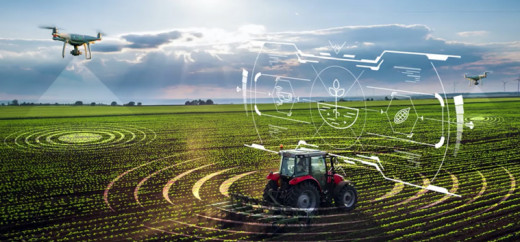
1. Precision Agriculture: One innovative technique that has revolutionized farming is precision agriculture. This involves using advanced technologies such as GPS and sensors to monitor and manage crops more efficiently. Farmers can analyze data collected from the fields to make informed decisions about irrigation, fertilization, and pest control.
2. Vertical Farming: Another innovative technique gaining popularity is vertical farming. With limited land availability, farmers are now turning to vertical structures where crops are grown in stacked layers using artificial lighting and climate-controlled environments. Vertical farming allows for year-round production, higher crop yields, and reduced water usage.
3. Aquaponics: Aquaponics combines aquaculture (fish farming) with hydroponics (soilless plant cultivation). It creates a symbiotic relationship between fish and plants where fish waste provides nutrients for the plants, while the plants filter the water for the fish. This closed-loop system maximizes resource utilization and minimizes environmental impact.
4. Crop Rotation: Although not a new concept, crop rotation remains an effective technique for boosting farm productivity sustainably. By rotating different crops each season or year, farmers can prevent soil depletion of nutrients specific to one particular crop while reducing weed growth and controlling pests naturally.
5. Integrated Pest Management (IPM): IPM is an approach that focuses on preventing pest damage rather than relying solely on pesticides. By monitoring pest populations closely and implementing strategies like biological controls (predators or parasites), cultural practices (crop rotations or planting resistant varieties), and physical barriers (nets or traps), farmers can reduce pesticide use while maintaining healthy crop yields.
6. Smart Irrigation Systems: Water scarcity is a significant challenge faced by many farmers globally; therefore, smart irrigation systems offer a solution by optimizing water usage based on real-time weather conditions, moisture sensors in the soil, or even satellite imagery analysis of crop health indicators such as leaf temperature or density.
Implementing Innovative Techniques on the Farm
Once you have identified and selected the innovative techniques that are most suitable for your farm, it is time to put them into action. Implementing these techniques requires careful planning and execution to ensure their success.
It is important to assess your resources and capabilities. Determine if you have the necessary equipment, technology, or expertise to effectively implement the chosen techniques. If not, consider investing in training programs or collaborating with experts who can provide guidance.
Next, create a detailed implementation plan. This should include specific tasks, timelines, and responsibilities for each technique. Break down larger goals into smaller achievable milestones to track progress along the way.
Communication is key during this process. Ensure that all team members understand their roles and responsibilities and are aligned with the objectives of implementing these innovative techniques. Regular meetings or check-ins can help address any challenges or concerns that may arise.
Be open-minded and flexible as you implement these new methods on your farm. It is normal for some adjustments and fine-tuning to be needed along the way. Monitor results closely and make any necessary tweaks or adaptations as you learn from experience.
Celebrate successes! Recognize achievements along the journey of implementing innovative techniques on your farm. Share lessons learned with others in your industry or community to inspire further innovation in agriculture.
By actively implementing these innovative techniques on your farm, you are paving the way towards increased productivity and sustainable agricultural practices.
Conclusion
Innovative techniques have the power to revolutionize agricultural productivity and help agribusiness managers overcome the challenges they face. By embracing new ideas, technologies, and approaches, farmers can enhance their farm operations, increase yields, reduce costs, and ultimately boost profitability.
The problem of low agricultural productivity is not an insurmountable one. Through innovation in farming techniques, such as precision agriculture, vertical farming, hydroponics, robotics, and data-driven decision making, farmers can optimize resource utilization while minimizing environmental impact.
It is crucial for agribusiness managers to be open to experimentation and willing to adopt these innovative techniques on their farms. By staying informed about emerging trends in the industry and investing in training programs for employees or themselves as managers can master these new methods successfully.
However promising these innovative solutions may seem on paper though it's important to remember that no single technique will work universally across all farms or regions. Each farm has its unique characteristics such as soil type climate conditions local regulations labor availability etc.. Therefore Agribusiness Managers must carefully evaluate each technique based on their specific circumstances before implementing them on a larger scale.
In conclusion Innovative Techniques are transforming agriculture by enabling more efficient production sustainable practices improved crop quality reduced input usage better product traceability enhanced risk management... And those who embrace change adapt quickly stand ready take advantage of this era of transformation will be best positioned thrive in today's ever-changing market landscape.
Comments
Post a Comment