Best Practices For Managing Supply Chain Logistics In Agribusiness
Introduction to Supply Chain Logistics in Agribusiness
Welcome to the world of agriculture, where supply chain logistics play a pivotal role in ensuring that fresh produce makes its way from farm to table. In this fast-paced industry, efficient management of the supply chain is essential for maintaining the quality and integrity of agricultural products. From planting seeds to harvesting crops, transportation and storage, every step must be carefully orchestrated to deliver goods in their optimal condition.
In this blog post, we will explore some best practices for managing supply chain logistics in agribusiness. We'll also delve into the importance of technology in streamlining these operations and take a glimpse into what the future holds for this vital aspect of the agricultural industry. So grab a cup of coffee or your favorite beverage and let's dive right in!
Best Practices for Managing Supply Chain Logistics in Agribusiness
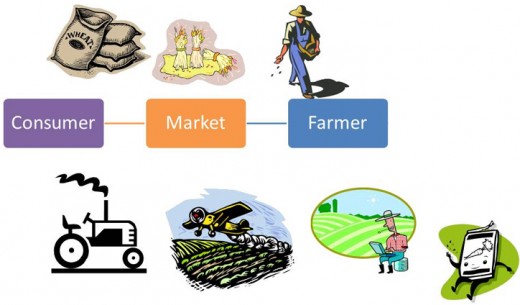
When it comes to managing supply chain logistics in the agribusiness industry, there are several best practices that can help ensure smooth operations and maximize efficiency. One of the key aspects is establishing clear communication channels between all stakeholders involved in the supply chain. This includes farmers, distributors, retailers, and even consumers.
Another important practice is implementing proper inventory management techniques. This involves accurately tracking inventory levels at each stage of the supply chain and utilizing forecasting tools to anticipate demand fluctuations. This way, businesses can avoid stockouts or excess inventory sitting idle.
In addition to this, leveraging technology plays a crucial role in optimizing supply chain logistics. Using advanced software systems can streamline processes such as order processing, transportation planning, and warehouse management. For instance, automated routing systems can help determine the most efficient delivery routes while reducing fuel consumption and carbon emissions.
Furthermore, fostering collaboration among all parties involved is essential for effective supply chain management. By sharing information on crop yields, weather patterns, market trends etc., stakeholders can make informed decisions which will ultimately benefit everyone along the value chain.
Lastly but importantly is continuous improvement through regular evaluation of performance metrics and identifying areas for optimization. Conducting periodic reviews helps identify bottlenecks or inefficiencies that may impact overall operations.
By adopting these best practices for managing supply chain logistics in agribusinesses not only enhances operational efficiency but also improves customer satisfaction by ensuring timely deliveries of fresh produce from farm to fork!
The Importance of Technology in Supply Chain Logistics
Technology plays a crucial role in the efficient management of supply chain logistics in agribusiness. With advancements in technology, traditional manual processes are being replaced with automated systems, leading to increased accuracy and productivity.
One key advantage of technology in supply chain logistics is improved visibility. Through the use of tracking and monitoring technologies such as GPS, barcoding, and RFID (Radio Frequency Identification), businesses can have real-time information about the location and status of their products during transportation. This level of visibility enables better planning, decision-making, and problem-solving throughout the supply chain.
Furthermore, technology also facilitates better communication between different stakeholders involved in the agribusiness supply chain. Collaborative platforms and cloud-based software enable seamless sharing of data among suppliers, distributors, manufacturers, and retailers. This streamlined communication ensures that everyone has access to accurate information at all times, reducing delays and improving overall efficiency.
Another important aspect where technology shines is inventory management. Automated systems can track stock levels accurately by integrating with sensors or using IoT (Internet of Things) devices. By optimizing inventory levels based on demand patterns and sales forecasts generated by sophisticated algorithms, businesses can minimize wastage while ensuring timely availability of products for customers.
Moreover, technological innovations like blockchain are revolutionizing supply chain transparency by securely recording every transaction or transfer along the entire journey from farm to fork. Blockchain provides an immutable record that enhances traceability while preventing fraud or tampering.
In summary, implementing appropriate technologies not only streamlines operations but also enhances customer satisfaction through faster delivery times, reduced costs, and improved product quality. Thus, it's imperative for agribusinesses to leverage technology effectively to stay competitive in today's fast-paced global market.
The Future of Supply Chain Logistics in Agribusiness
As the world becomes increasingly interconnected, the future of supply chain logistics in agribusiness holds immense potential for growth and innovation. With advancements in technology and a growing focus on sustainability, the agricultural industry is poised to undergo significant transformations.
One key aspect that will shape the future of supply chain logistics in agribusiness is automation. From autonomous vehicles for transportation to robotic systems for harvesting and sorting crops, automation has the potential to greatly streamline operations and increase efficiency.
Another area that will see significant developments is data analytics. By harnessing big data and predictive analytics, agribusinesses can gain valuable insights into consumer demand patterns, optimize inventory management, and make more informed decisions about production planning.
Additionally, sustainability will play a crucial role in shaping the future of supply chain logistics in agribusiness. Consumers are increasingly demanding transparency and environmentally friendly practices from companies. This has led to an emphasis on reducing carbon emissions throughout the supply chain, implementing sustainable packaging solutions, and adopting eco-friendly farming techniques.
Furthermore, blockchain technology is also set to revolutionize supply chain logistics in agribusiness by enhancing traceability and ensuring food safety. With blockchain's ability to provide immutable records of every transaction along the supply chain, consumers can have greater confidence in product authenticity while farmers can benefit from improved visibility into market demand.
In summary, the future of supply chain logistics in agribusiness looks promising as it embraces automation, data analytics, sustainable practices, and emerging technologies like blockchain. These innovations hold great potential for improving efficiency, reducing waste, and meeting consumer demands for transparency and environmental responsibility. By staying at the forefront of these trends, agricultural businesses can position themselves for success in an evolving global marketplace.
Conclusion
Effective supply chain logistics management is crucial for the success of agribusinesses. By implementing best practices such as optimizing transportation routes, using advanced technology, and fostering strong relationships with suppliers and customers, companies can streamline their operations and maximize efficiency.
Technology plays a vital role in improving supply chain logistics in agribusiness. From GPS tracking systems to inventory management software, innovative solutions are revolutionizing the way goods are transported, stored, and distributed. Embracing these technological advancements helps businesses gain real-time visibility into their supply chains, reduce costs, minimize errors, and ultimately deliver superior products to consumers.
Looking ahead, the future of supply chain logistics in agribusiness holds immense potential. As consumer demands continue to evolve and sustainability becomes increasingly important, it will be essential for companies to adopt eco-friendly practices throughout their supply chains. This includes reducing waste levels and implementing more efficient transport methods that have less impact on the environment.
In conclusion (without explicitly stating "in conclusion"), managing supply chain logistics effectively is critical for ensuring smooth operations within the agribusiness industry. By following best practices like optimizing transportation routes and leveraging technology solutions tailored for this sector's unique needs, businesses can stay competitive while meeting customer expectations efficiently. With ongoing innovation driving change within the industry landscape, the future of agribusiness logistics promises even greater efficiency, sustainability, and success!
Comments
Post a Comment