From Field to Fork: Understanding Food Safety in Agribusiness Management
From Field to Fork: Understanding Food Safety in Agribusiness Management
Welcome to the exciting world of agribusiness management, where food safety is a top priority! From the sprawling fields and bustling farms to the plates on our tables, ensuring that our food is safe to consume is essential. In this blog post, we will take a closer look at how food safety plays a crucial role in every step of the farm-to-fork supply chain. So grab your forks and let's dig into understanding the importance of food safety in agribusiness management!
An Overview of Food Safety in Agribusiness
Food safety is a fundamental aspect of agribusiness management, ensuring that the food we consume is safe and free from harmful contaminants. It encompasses various practices and measures aimed at preventing illnesses caused by pathogenic bacteria, viruses, parasites, or chemical substances.
In agribusiness, food safety starts right from the moment crops are cultivated or animals are raised on farms. Farmers must follow Good Agricultural Practices (GAPs) to minimize contamination risks. This includes maintaining proper hygiene standards, using safe irrigation water sources, monitoring pesticide application, and implementing animal welfare protocols.
As the food moves along the supply chain to processing facilities and distribution centers, stringent quality control measures kick in. These include regular inspections of facilities and equipment to ensure cleanliness and sanitation. Proper storage conditions are maintained to prevent spoilage or cross-contamination.
Food safety hazards can arise at any stage of production – be it during harvesting, transportation, processing or packaging. Common hazards include microbial pathogens such as Salmonella or E.coli that can contaminate fresh produce through contact with contaminated soil or water sources.
To address these risks effectively, robust food safety management systems are put into place within agribusinesses. Hazard Analysis Critical Control Point (HACCP) plans help identify potential hazards specific to each stage of production and implement preventive measures accordingly.
Regular training programs educate employees about proper handling techniques for minimizing risk factors related to food safety. Monitoring procedures like testing samples for microbiological contaminants further enhance product integrity.
Effective implementation of food safety practices in agribusiness ensures that consumers have access to clean and wholesome products while also protecting public health and well-being.
The Farm-to-Fork Supply Chain
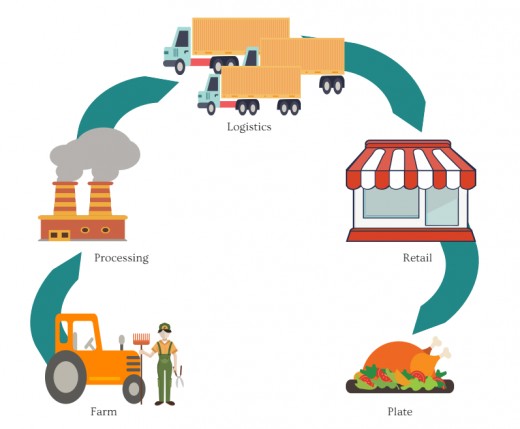
The farm-to-fork supply chain is a complex and intricate process that ensures the safe and efficient delivery of food from the field to our plates. It involves numerous steps, each with its own set of challenges and potential risks.
It all starts on the farm, where crops are grown and livestock is raised. Here, farmers work tirelessly to ensure that their products meet rigorous quality standards and comply with food safety regulations. They must carefully manage factors such as soil health, water quality, pest control, and animal welfare to minimize the risk of contamination or disease transmission.
Once harvested or processed, these products move through various stages of transportation and storage before reaching our local grocery stores or restaurants. Each step along this journey presents opportunities for potential hazards to enter the food supply chain - whether it be improper handling practices during loading/unloading, inadequate temperature control during transit/storage, or cross-contamination from other sources.
To mitigate these risks, agribusinesses employ a range of strategies such as implementing strict hygiene protocols at processing plants, conducting regular inspections of transportation vehicles for cleanliness and proper maintenance, ensuring appropriate packaging materials are used to protect against external contaminants.
In addition to these measures taken by producers themselves; governmental bodies also play an important role in regulating food safety standards throughout the supply chain. They establish guidelines for good agricultural practices (GAPs), develop monitoring systems for pesticide residues in produce/animal feedstuff; oversee public health surveillance programs related specifically towards agricultural inputs like fertilizer usage etc., enforce labeling requirements so consumers can make informed choices about what they buy/consume
Overall, the farm-to-fork supply chain represents a remarkable collaboration between farmers, processors, distributors, and regulators to ensure that we have access to safe nutritious food. By understanding the potential hazards involved and implementing robust safety management systems; we can continue to enjoy delicious meals without compromising our well-being.
Food Safety Hazards in Agriculture
Food safety is a critical aspect of agribusiness management, as it ensures that the food we consume is safe and free from any potential hazards. In agriculture, there are various food safety hazards that need to be addressed to maintain high standards throughout the entire farm-to-fork supply chain.
One of the primary food safety hazards in agriculture is microbial contamination. Pathogens such as E.coli, Salmonella, and Listeria can contaminate crops and animal products if proper sanitation practices are not followed. These pathogens can cause severe illnesses when consumed by humans.
Chemical residues also pose a significant threat to food safety in agriculture. Pesticides, herbicides, and fertilizers used on farms may leave behind harmful residues on crops if not applied correctly or if excessive amounts are used. Consumption of these residues can have adverse effects on human health.
Another hazard to consider is physical contamination. This occurs when foreign objects like glass shards or metal fragments find their way into agricultural commodities during harvesting, processing, or transportation. Accidental inclusion of such materials poses risks for consumers who might unknowingly ingest them alongside their food.
In addition to these hazards, environmental factors like water quality and air pollution can also impact food safety in agriculture. Contaminated irrigation water or polluted air near farming areas can introduce toxins or pollutants into crops during growth stages.
It's crucial for agribusinesses to implement robust control measures at every stage of production – from planting seeds to packaging the final product – in order to mitigate these risks effectively.
By prioritizing regular testing for microbiological contaminants and chemical residues before harvests reach market shelves, agricultural producers help ensure that only safe foods reach consumers' plates. Farmers must carefully follow recommended guidelines for pesticide use, adhere strictly to Good Agricultural Practices (GAP), and establish proper hygiene protocols within their operations. Furthermore, strong communication between farmers, food processors, and regulators plays an essential role in addressing food safety hazards and preventing their occurrence.
Food Safety Management in Agribusiness
Food safety management is a critical aspect of agribusiness. With the increasing demand for safe and healthy food, it is essential for businesses to prioritize food safety throughout the entire supply chain.
Agribusinesses implement various measures to ensure that their products meet stringent quality standards. This includes implementing good agricultural practices (GAPs) on farms, such as proper use of pesticides and fertilizers, as well as regular monitoring of water sources to prevent contamination.
In addition to GAPs, agribusinesses also have robust systems in place for traceability and recall procedures. This allows them to quickly identify and remove any potentially unsafe products from the market if necessary.
Furthermore, many agribusinesses invest in training programs for their employees to ensure they are knowledgeable about food safety protocols. Regular audits and inspections are conducted by regulatory bodies or third-party certification organizations to verify compliance with industry standards.
The implementation of technology has also revolutionized food safety management in agribusiness. From automated monitoring systems that track temperature controls during transportation to blockchain technology that enables transparent record-keeping, these advancements enhance accountability and reduce potential risks.
Effective food safety management is crucial in ensuring consumer confidence in agribusiness products. By prioritizing quality control measures at every step of the process – from planting seeds on the farm all the way through processing and distribution – businesses can contribute towards a safer and healthier global food system.
Conclusion
Food safety is an essential aspect of agribusiness management. From the field to the fork, ensuring that our food is safe to consume requires a comprehensive understanding of the supply chain and its potential hazards.
Throughout this article, we have explored various aspects of food safety in agribusiness. We began by providing an overview of the importance of food safety and its impact on consumer health. Then, we delved into the farm-to-fork supply chain, highlighting how each stage plays a crucial role in maintaining food safety standards.
Next, we examined some common food safety hazards that can arise during agricultural practices. These included biological contaminants such as bacteria and parasites, chemical contaminants like pesticides and antibiotics, as well as physical hazards such as foreign objects or allergens.
To mitigate these risks effectively, agribusinesses must implement robust food safety management systems. This involves adhering to stringent regulations and industry best practices while utilizing technology-driven solutions for traceability and quality control.
By adopting preventative measures like proper training for employees, regular inspections and audits, strict adherence to hygiene protocols at every step of production and processing, businesses can minimize potential risks throughout their operations.
Ensuring food safety in agribusiness is not just about compliance; it's about safeguarding public health while building trust with consumers. By prioritizing transparency in labeling and communication efforts along with sustainable farming practices promoting environmental stewardship – organizations can strengthen their market position while contributing positively towards global sustainability goals.
In conclusion (without using "In conclusion"), managing food safety in agribusiness requires continuous commitment from all stakeholders involved – farmers, processors, distributors, and consumers alike. With a shared responsibility towards safe agriculture practices, we can cultivate a healthier future for both individuals and communities worldwide. So let's continue working together to ensure that from field to fork, our plates are filled with nutritious and safe produce!

Comments
Post a Comment