Managing Climate Risks And Its Implications On Crop Yields
Managing Climate Risks And Its Implications On Crop Yields
Riding the waves of change, our planet is experiencing drastic shifts in climate patterns. From scorching heatwaves to torrential downpours, these weather extremes are leaving their mark on every aspect of our lives - including agriculture. As we delve into the realm of managing climate risks and its implications on crop yields, get ready to explore a world where farmers become adaptability champions and crops evolve to survive against all odds.
Join us as we uncover the impact of climate change on crop yields and discover how agricultural practices are evolving in response. Are you ready for a journey through resilient fields? Let's dive right in!
The Impact of Climate Change on Crop Yields
Climate change is no longer a distant threat; it's knocking on our doors and infiltrating every aspect of our lives. When it comes to agriculture, the impact is profound. Rising temperatures, erratic rainfall patterns, and extreme weather events are altering the playing field for farmers around the globe.
Crop yields are bearing the brunt of these changes. As temperatures rise, heat stress becomes a significant challenge for many crops. Heatwaves can cause wilting, reduced photosynthesis rates, and even plant death in extreme cases. Additionally, increased levels of carbon dioxide in the atmosphere may actually stimulate plant growth initially but can lead to decreased nutrient content in crops over time.
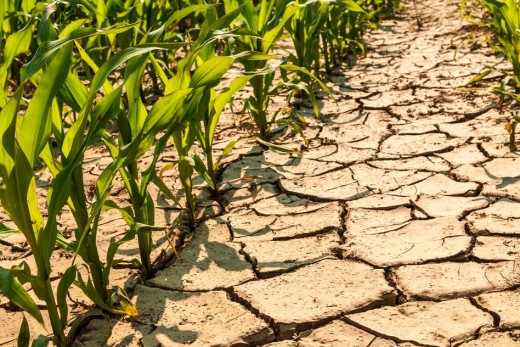
Erratic rainfall patterns pose another hurdle for crop production. Droughts leave fields parched and crops struggling to survive without sufficient water supply. Conversely, intense rainfall events can result in soil erosion and nutrient leaching - washing away valuable resources that plants need to thrive.
Extreme weather events such as hurricanes or floods can wreak havoc on agricultural lands by destroying entire harvests or damaging vital infrastructure like irrigation systems or storage facilities.
The implications are far-reaching not only for food security but also for rural livelihoods and economies dependent on agriculture. Farmers face uncertain futures as they grapple with changing conditions that threaten their ability to grow enough food to sustain themselves and their communities.
In this dynamic landscape, adaptation becomes crucial. Farmers must explore innovative techniques such as improved irrigation methods or crop diversification strategies tailored to their specific climatic realities. Research institutions play a pivotal role in developing resilient crop varieties through breeding programs that incorporate traits like drought tolerance or disease resistance.
While challenges loom large ahead of us, there is hope amidst adversity. By acknowledging and understanding the impact climate change has on crop yields today, we pave the way towards building a sustainable future where agriculture thrives despite challenging circumstances.
Agricultural Adaptation to Climate Change
As climate change continues to impact our planet, it is crucial for the agricultural industry to adapt and find innovative solutions. Farmers around the world are facing new challenges due to changing weather patterns and extreme events. In order to mitigate these risks and ensure food security, agricultural adaptation is essential.
One of the key strategies in adapting to climate change is diversifying crops. By growing a variety of crops, farmers can reduce their vulnerability to specific climatic conditions or pests that may affect one particular crop. This not only spreads the risk but also ensures a more stable income for farmers.
Another important aspect of adaptation is implementing sustainable farming practices. Conservation agriculture techniques such as minimal tillage, cover cropping, and crop rotation help improve soil health and water management. These practices enhance resilience against droughts, floods, and other climate-related disruptions.
Furthermore, investing in advanced technologies can greatly aid in agricultural adaptation efforts. Precision agriculture tools like drones and satellite imagery provide valuable data on soil moisture levels, plant health, and pest infestations. This allows farmers to make informed decisions regarding irrigation schedules, fertilizer application rates, and pest control measures.
Additionally, improving water management systems plays a vital role in adapting agriculture to climate change. Efficient irrigation methods such as drip irrigation or using precision sprinklers minimize water wastage while ensuring optimal hydration for crops.
Knowledge sharing among farmers is crucial for successful adaptation efforts. Farmer networks or community-based organizations facilitate information exchange on best practices for addressing climate risks specific to their region.
In conclusion (not concluding!), adaptive measures need continuous evaluation given the dynamic nature of climate change impacts on agriculture worldwide! Agricultural adaptation requires a multi-faceted approach involving diversified cropping systems; sustainable farming practices; adoption of advanced technologies; efficient water management; and collaboration among stakeholders at local levels! Through proactive actions towards agricultural adaptation now we can secure food production amidst changing climates!
Improving Crop Resilience to Climate Change
As the impacts of climate change continue to be felt across the globe, it is crucial for farmers and scientists to find ways to improve crop resilience. This means developing crops that can withstand extreme weather events such as droughts, floods, and heatwaves.
One approach is through the use of advanced breeding techniques. Scientists are working on developing new crop varieties that have traits such as increased tolerance to drought or resistance to pests and diseases. By selecting and crossbreeding plants with desirable characteristics, they aim to create crops that can better adapt to changing environmental conditions.
Another strategy involves improving agricultural practices. Farmers can implement conservation agriculture techniques such as no-till farming, which helps retain soil moisture and reduces erosion. They can also adopt precision farming methods using sensors and data analytics to optimize irrigation schedules and fertilizer application.
Furthermore, advancements in technology offer promising solutions for enhancing crop resilience. For instance, the use of drones equipped with thermal imaging cameras can help identify areas in a field experiencing heat stress so that appropriate interventions can be implemented promptly.
Additionally, innovative irrigation systems like drip irrigation or micro-sprinklers enable efficient water usage by delivering water directly at the root zone of plants while minimizing evaporation losses.
Collaboration between researchers, policymakers, farmers' associations, NGOs is essential for sharing knowledge and resources in order to develop effective strategies for improving crop resilience globally.
By investing in research and innovation aimed at enhancing crop resilience now we not only secure food production but also contribute towards building a sustainable future amidst an unpredictable climate scenario.
Case Studies
Let's dive into some real-life examples of how climate change is impacting crop yields and what farmers are doing to adapt. These case studies highlight the challenges faced by agricultural communities and shed light on innovative solutions being implemented.
In the arid regions of North Africa, rising temperatures have caused prolonged droughts, severely affecting crop production. Farmers in Morocco have turned to drip irrigation systems to conserve water and reduce losses. By delivering small amounts of water directly to plant roots, these systems improve water use efficiency and help crops survive during dry periods.
In Southeast Asia, where extreme weather events like typhoons are becoming more frequent, rice farmers in Vietnam have adopted a practice called "alternate wetting and drying." Instead of continuously flooding their fields with water, they allow the soil to dry out periodically. This not only reduces methane emissions but also saves water while maintaining high yields.
Moving across continents to South America, coffee growers in Colombia face the dual challenge of increasing temperatures and unpredictable rainfall patterns. To cope with these changes, farmers are using shade trees as natural buffers against temperature extremes and heavy rainfalls. The trees provide a microclimate that protects coffee plants from excessive heat or moisture stress.
These case studies demonstrate that proactive measures can mitigate climate risks for crop production. However, it is important to recognize that each region faces unique challenges requiring tailored adaptation strategies.
By sharing knowledge gained from these experiences globally, we can build resilience within agriculture systems worldwide – an essential step towards securing our future food supply amidst ongoing climate change.
Conclusion
Managing climate risks and their implications on crop yields is a daunting challenge that farmers, scientists, and policymakers face in today's world. The effects of climate change are evident in the erratic weather patterns, rising temperatures, and increasing frequency of extreme events. These changes pose significant threats to agricultural production and food security.
However, despite these challenges, there is hope for the future. Agricultural adaptation strategies such as implementing improved irrigation techniques, adopting resilient crop varieties, practicing agroforestry systems, and promoting sustainable farming practices can help mitigate the adverse effects of climate change on crop yields.
Furthermore, scientific advancements in breeding technologies like genetic engineering hold promise for developing crops that are more resistant to environmental stresses such as droughts or heatwaves. By enhancing crop resilience through improved genetics and innovative farming practices, we can better safeguard our food supply from the impacts of a changing climate.
Case studies from around the world have demonstrated how proactive measures can make a difference in adapting agriculture to climate change. Farmers utilizing efficient irrigation methods have managed to reduce water usage while maintaining productivity levels. Similarly, farmers growing drought-tolerant crops have been able to withstand dry spells without compromising their harvests.
In conclusion (not repeating "in conclusion"), addressing climate risks requires collaboration among various stakeholders – governments at all levels must support policies that incentivize sustainable farming practices; researchers need to continue studying and developing innovations that enhance crop resilience; farmers should be encouraged with financial incentives for adopting adaptive strategies; consumers must prioritize supporting local sustainable agriculture.
By working together towards shared goals of building resilient agriculture systems that can adapt to changing climates while ensuring food security for all people worldwide - we can create a more sustainable future where both humans and nature thrive side by side.

Comments
Post a Comment