Creating Value-Added Products From Farm Produce
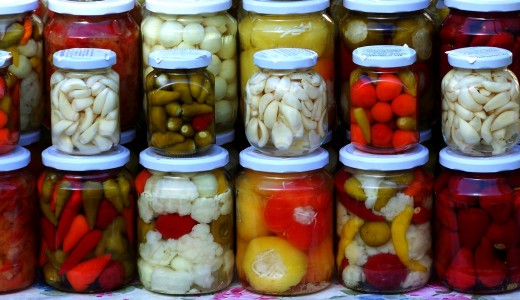
Creating Value-Added Products From Farm Produce
Are you a farmer looking to add value to your produce? Are you interested in exploring new avenues and increasing your profits? Well, look no further! In today's blog post, we're going to delve into the exciting world of value-added agriculture. This innovative approach allows farmers like yourself to transform their raw products into unique offerings that fetch higher prices in the market. Not only does it give you an edge over competitors, but it also opens up a whole new realm of possibilities for your farm business. So, get ready to discover how you can create value-added products from your farm produce and reap the rewards!
What is Value-Added Agriculture?
Value-added agriculture refers to the process of taking a raw agricultural product and transforming it into a higher-value product through processing, packaging, or other methods. In simple terms, it means adding value to your farm produce by creating something new and unique out of it.
There are several reasons why farmers choose to engage in value-added agriculture. It allows them to differentiate their products from competitors in the market. By offering something distinct and innovative, they can attract more customers and potentially charge higher prices.
Value-added agriculture opens up opportunities for direct marketing and building relationships with consumers. When you have a unique product that stands out on the shelves or online platforms, customers become more interested in learning about its origins and supporting local farmers.
Moreover, by creating value-added products, farmers can extend their selling season beyond just fresh produce. With processed goods like jams, sauces, or pickles made from their own crops or livestock products such as cheese or sausage made from milk or meat respectively- they can generate income year-round.
Additionally, value-added agriculture contributes to rural economic development by creating jobs within the community. As farms expand their operations to include processing facilities or hire additional staff for packaging and distribution purposes -they stimulate local employment opportunities.
Furthermore, creating added value also helps reduce waste on farms by utilizing surplus produce that may not meet fresh market standards but is still perfectly suitable for further processing into different products.
In summary, value-added agriculture presents an exciting opportunity for farmers to maximize profits while diversifying their offerings. By exploring creative ways to transform farm produce into distinctive products that capture consumer interest -the potential benefits are extensive: increased sales revenue; enhanced customer loyalty; extended selling seasons; job creation; reduced waste – the list goes on! So why wait? Start brainstorming ideas today and unlock the hidden potential within your farm's bounty!
Why Create Value-Added Products?
Why create value-added products? There are several reasons why farmers and producers may choose to create value-added products from their farm produce. It allows them to differentiate themselves in a competitive market. By transforming raw ingredients into unique and innovative products, they can stand out from the crowd and attract more customers.
Value-added products often command higher prices than raw commodities. This means that farmers can increase their profitability by adding value through processing or packaging their produce in a way that appeals to consumers.
In addition, creating value-added products can help reduce waste and utilize all parts of the harvest. For example, instead of discarding surplus fruits or vegetables that do not meet cosmetic standards for fresh consumption, these can be transformed into jams, sauces or pickles.
Moreover, producing value-added goods enables farmers to extend their selling season beyond the typical harvest period. Preserving fruits or vegetables extends their shelf life and allows them to be enjoyed year-round.
Furthermore, developing unique product lines also opens up new market opportunities for farmers. They may find niche markets where there is demand for specialty or artisanal items made with locally sourced ingredients.
Creating value-added products offers numerous benefits for farmers – from increasing profitability and reducing waste to expanding market reach – while providing consumers with diverse choices and supporting local agricultural economies
What are Some Common Value-Added Products?
Value-added products are a great way for farmers to maximize the potential of their produce and generate additional income. These products undergo processing or transformation, adding value to the raw materials they are made from.
One common value-added product is homemade jams and preserves. By utilizing fresh fruits from their farms, farmers can create delicious spreads that appeal to consumers looking for natural and artisanal food options. Another popular choice is pickled vegetables, which provide a tangy and flavorful addition to meals.
Farmers can also turn their farm produce into baked goods like pies, breads, and cookies. Using ingredients sourced directly from their fields ensures freshness and quality in these delectable treats. Additionally, dairy farmers often venture into making cheese or yogurt using milk produced on their farms.
Crafting herbal teas or essential oils is another avenue for value-added products. Farmers who grow herbs can dry them out, blend different varieties together, and package them as soothing drinks or aromatic oils.
There are numerous possibilities when it comes to creating value-added products from farm produce. From delicious jams to fragrant teas, farmers have the opportunity to expand beyond traditional farming practices by transforming their raw materials into unique offerings that cater to consumer preferences.
How to Create Value-Added Products
One of the most exciting aspects of value-added agriculture is the ability to create unique and innovative products from farm produce. By adding value to your crops or livestock, you can not only increase your profits but also cater to a wider range of customers.
So how do you go about creating these value-added products? It all starts with identifying the potential in your raw materials. Take a close look at what you have available and think outside the box. Can you turn your fresh fruits into jams or preserves? Or perhaps use excess milk to make artisan cheeses?
Once you have determined what product(s) you want to create, it's time to develop a recipe or production process that will showcase the best qualities of your ingredients. Experimentation is key here – don't be afraid to try different techniques and flavors until you find something truly special.
Next, consider packaging and branding. Your product should not only taste great but also look appealing on store shelves or online platforms. Invest in high-quality packaging materials and design eye-catching labels that reflect the uniqueness of your offering.
Marketing and distribution are crucial for success. Get creative with social media campaigns, local farmers' markets, or even partnerships with other businesses in related industries.
Remember, creating value-added products requires innovation, passion, and determination. It may take some trial-and-error before finding the right formula for success – but when done right, it can open up new opportunities for growth in your farming business.
Examples of Successful Value-Added Products
1. Fruit preserves: A small-scale fruit farmer decided to turn their surplus berries into delicious jams and jellies. By experimenting with different flavor combinations and using high-quality ingredients, they were able to create a range of unique and flavorful spreads that quickly gained popularity among local consumers.
2. Artisan cheese: A dairy farmer recognized the potential in adding value to their milk by producing artisanal cheeses. They invested in specialized equipment, learned about cheese-making techniques, and developed a variety of handcrafted cheeses with distinct flavors and textures. These high-quality cheeses appealed to gourmet food enthusiasts both locally and regionally.
3. Herbal skincare products: An herb grower discovered the healing properties of certain plants grown on their farm, such as lavender and chamomile. They began extracting essential oils from these herbs and used them as key ingredients in handmade soaps, lotions, and other skincare products. The natural formulations attracted customers seeking organic alternatives to commercial beauty products.
4. Farm-to-table meal kits: A vegetable farm embraced the farm-to-table movement by creating meal kits that included fresh produce straight from their fields along with recipe ideas for utilizing those ingredients creatively at home. This convenient option allowed busy individuals or families to experience the joy of cooking with seasonal produce while supporting local agriculture.
5. Craft beer made from locally-grown hops: A hop farmer partnered with a microbrewery to create craft beers showcasing the unique flavors imparted by locally-grown hops varieties cultivated on their farm. The collaboration resulted in distinctive brews that resonated with beer enthusiasts who appreciated supporting local farmers while enjoying creative new taste experiences.
These examples illustrate how farmers can transform raw agricultural commodities into value-added products that cater to niche markets or appeal to conscious consumers looking for quality, uniqueness, or sustainability in their purchases.
Conclusion
Creating value-added products from farm produce is not only a smart business strategy but also a way to maximize the potential of your agricultural endeavors. By adding value through processing, packaging, and branding, farmers can differentiate their products in the market and attract discerning consumers.
Value-added agriculture opens up opportunities for farmers to tap into niche markets, meet consumer demands for convenience and innovation, and ultimately increase profitability. Whether it's turning fruits into jams or vegetables into pickles, there are numerous options for creating value-added products that cater to different tastes and preferences.
To successfully create value-added products, it's important to conduct market research, identify gaps in the market, understand consumer needs and preferences, develop unique recipes or processes, establish strong branding strategies, and ensure high-quality production standards.
Examples of successful value-added products range from artisanal dairy products like cheese and yogurt made from farm-fresh milk to specialty condiments like flavored honey or infused olive oils. These innovative creations have carved out their own space in the market by offering something distinctive that cannot be easily replicated.
In conclusion (without explicitly stating it), embracing value-added agriculture can unlock new revenue streams while making use of surplus produce or enhancing the shelf life of perishable goods. It allows farmers to take control over their product offerings by transforming raw materials into desirable finished goods. With careful planning and execution along with creativity and adaptability, exploring this realm of agriculture offers immense potential for growth in both agricultural businesses as well as local economies overall.

Comments
Post a Comment