Maximizing Productivity With Precision Agriculture Technologies
Maximizing Productivity With Precision Agriculture Technologies
Welcome to the era of precision agriculture, where cutting-edge technologies are revolutionizing the way we cultivate our crops and manage our farms. Gone are the days of guesswork and manual labor – with precision agriculture technologies, farmers can maximize productivity, optimize resource allocation, and ultimately increase their bottom line.
In this blog post, we will explore what precision agriculture is all about, delve into its various types of technologies, highlight the numerous benefits it brings to farming operations, discuss how to implement these technologies effectively, showcase some fascinating case studies, and leave you inspired to embrace this game-changing approach in agricultural practices. So sit back and get ready to discover how precision agriculture is transforming the industry one innovation at a time!
What is Precision Agriculture?
What exactly is precision agriculture? In simple terms, it's a data-driven approach to farming that leverages advanced technologies to optimize crop production and resource utilization. Instead of relying on traditional methods that treat the entire field as uniform, precision agriculture takes into account the variability within a field. It allows farmers to make informed decisions at a micro-level, tailoring their actions based on specific needs of different areas.
One key component of precision agriculture is gathering accurate and real-time data about various aspects of the farm. This can include information about soil fertility levels, moisture content, weather patterns, and even plant health indicators. With this wealth of data at their fingertips, farmers can gain deeper insights into the unique characteristics and requirements of each portion of their land.
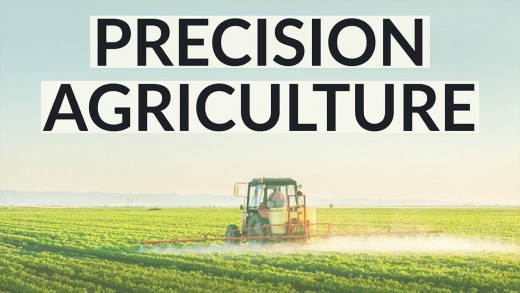
Armed with this knowledge, farmers can then employ targeted strategies for planting seeds, applying fertilizers or pesticides only where they are needed most. By using GPS technology combined with sophisticated machinery like drones or sensors attached to tractors or irrigation systems, precise application becomes achievable with remarkable accuracy.
By embracing precision agriculture techniques such as variable rate applications (VRA) and site-specific management (SSM), farmers can reduce input costs while maximizing yields. This not only improves overall profitability but also minimizes environmental impact by optimizing resource usage.
In essence, precision agriculture empowers farmers with actionable intelligence derived from cutting-edge technologies. It enables them to adapt quickly in an ever-changing agricultural landscape by making data-driven decisions tailored specifically to individual areas within their fields.
The Different Types of Precision Agriculture Technologies
Precision agriculture technologies encompass a wide range of tools and techniques that can revolutionize farming practices. From advanced sensors to satellite imagery, these technologies offer farmers new ways to monitor and manage their crops with unparalleled precision.
One type of precision agriculture technology is the use of unmanned aerial vehicles (UAVs), commonly known as drones. These flying machines are equipped with cameras or other sensors that capture high-resolution images of fields from above. Farmers can then analyze these images to identify areas that may need attention, such as pest infestations or nutrient deficiencies.
Another type of precision agriculture technology is remote sensing, which involves using satellite imagery and ground-based sensors to collect data about soil moisture levels, crop health, and weather patterns. This data can be integrated into sophisticated software systems that provide real-time insights and recommendations for better decision-making on the farm.
In addition to UAVs and remote sensing, farmers also have access to GPS-guided equipment such as tractors and harvesters. These machines use precise positioning technology to automate tasks like planting seeds or applying fertilizers at optimal rates. This not only saves time but also reduces waste by ensuring inputs are applied only where needed.
Furthermore, there are emerging technologies like robotics and artificial intelligence in precision agriculture that show great promise for the future. For example, autonomous robots equipped with AI algorithms could perform tasks like weed control or fruit picking more efficiently than manual labor.
By harnessing these different types of precision agriculture technologies, farmers can optimize their operations in terms of resource usage, crop yield, and environmental impact. The ability to make data-driven decisions based on accurate information enables them to respond rapidly to changing conditions while minimizing risks.
Precision agriculture technologies offer endless possibilities for improving productivity in farming operations. As ongoing research continues to push boundaries in this field, we can expect even more innovative solutions tailored specifically for the unique challenges faced by today's farmers.
The Benefits of Precision Agriculture
Precision agriculture technologies offer a multitude of benefits that can revolutionize the way farmers approach their practices. These technologies enable farmers to make data-driven decisions based on real-time information about their crops and soil conditions. By collecting and analyzing data such as moisture levels, nutrient content, and pest infestations, farmers can identify potential issues before they become major problems.
Additionally, precision agriculture allows for precise application of inputs such as fertilizers and pesticides. This not only reduces costs but also minimizes the environmental impact by ensuring that only the necessary amount is used in specific areas instead of applying it uniformly across an entire field.
Furthermore, precision agriculture technology enables better resource management by optimizing irrigation systems. Farmers can monitor soil moisture levels remotely and adjust watering schedules accordingly. This results in significant water savings while still ensuring optimal crop growth.
Moreover, these technologies enhance labor efficiency by automating certain tasks such as planting or spraying operations. This frees up valuable time for farmers to focus on other important aspects of their operations or even explore diversification opportunities.
Precision agriculture promotes sustainability by reducing waste and improving overall productivity. By using technology to precisely monitor and manage resources, farmers can achieve higher yields with fewer inputs while minimizing negative impacts on the environment.
In summary, the adoption of precision agriculture technologies offers numerous advantages for modern farming practices. From data-driven decision-making to optimized resource management and increased sustainability, these technologies have the potential to greatly improve productivity in agricultural operations around the world.
How to Implement Precision Agriculture Technologies
Implementing precision agriculture technologies can greatly enhance the productivity and efficiency of farming operations. Here are some key steps to follow when implementing these advanced technologies.
It is important to conduct a thorough assessment of your farm's specific needs and goals. This will help you determine which precision agriculture technologies are most suitable for your operation. Whether it's GPS guidance systems, remote sensing devices, or variable rate technology, make sure to choose tools that align with your objectives.
Next, ensure that you have the necessary infrastructure in place to support the implementation of these technologies. This may involve upgrading equipment or investing in new hardware and software solutions. It is crucial to have reliable internet connectivity on your farm as many precision agriculture technologies rely on real-time data transfer.
Training plays a vital role in successful implementation. Familiarize yourself and your team with the chosen technologies through training programs provided by manufacturers or industry experts. This will enable proper utilization and maximize the benefits they offer.
Once implemented, regularly monitor and evaluate the performance of these technologies to identify any areas for improvement or optimization. Keep up-to-date with emerging trends and advancements in precision agriculture so that you can continue to leverage technology effectively.
By following these steps, farmers can successfully implement precision agriculture technologies into their operations, leading to increased productivity, resource efficiency,and ultimately better overall outcomes for their farms.
Case studies
Case studies are a valuable way to understand the real-world impact of precision agriculture technologies. Let's take a look at some examples that showcase their effectiveness.
In one case study, a farm in Iowa implemented GPS-guided machinery to enhance their planting process. By accurately placing seeds and optimizing seed spacing, they were able to achieve more uniform crop emergence and increase overall yield. This technology also allowed them to reduce input costs by avoiding unnecessary overlap or gaps in seeding.
Another case study comes from a vineyard in California that utilized remote sensing technologies such as drones equipped with multispectral cameras. By analyzing the images captured, they were able to identify areas of water stress within the vineyard and apply targeted irrigation strategies accordingly. This resulted in improved water efficiency and healthier vines.
Additionally, a dairy farm in Wisconsin integrated sensor-based monitoring systems into their operations. These sensors tracked various parameters such as milk production, cow activity levels, and rumination patterns. With this data-driven approach, farmers could detect health issues early on, optimize feeding regimes for individual cows, and ultimately improve herd performance.
These case studies demonstrate how precision agriculture technologies can significantly enhance productivity while minimizing resource wastage. Each farm tailored these technologies to suit their specific needs and reaped the benefits accordingly.
By adopting precision agriculture practices like these farms did through innovative technologies suited for their purposes; farmers can maximize productivity while ensuring sustainable use of resources.
Conclusion
In today's fast-paced and ever-evolving world, precision agriculture technologies have emerged as a game-changer for farmers. By integrating cutting-edge tools and techniques into their daily operations, farmers can maximize productivity, optimize resource utilization, and ultimately boost their bottom line.
Throughout this article, we explored what precision agriculture is all about and delved into the different types of technologies available in the market. From GPS guidance systems to remote sensing devices and data analytics platforms, there are numerous options to choose from based on specific needs and requirements.
The benefits of using precision agriculture technologies are vast. Farmers can achieve higher crop yields by ensuring optimal seed placement and nutrient application. They can also minimize waste through precise irrigation management, reducing environmental impact in the process.
Implementing these technologies may seem daunting at first but with proper planning and support from experts in the field, it becomes an achievable task. Start by assessing your farm's unique needs and goals. Conduct research on suitable technology providers or consult with agricultural specialists who can help you make informed decisions.
To illustrate the real-world impact of precision agriculture technologies, we discussed some compelling case studies where farmers achieved remarkable results through their implementation. These success stories serve as inspiration for others looking to harness the power of modern farming methods.
In conclusion (without explicitly stating it), if you're a farmer seeking ways to stay ahead in an increasingly competitive industry while minimizing costs and maximizing productivity – look no further than precision agriculture technologies. Embrace innovation, leverage data-driven insights, optimize your practices accordingly - witness firsthand how these advancements revolutionize your farming operation! So why wait? Take that leap towards a more sustainable future for yourself and generations to come!

Comments
Post a Comment