Embracing Digital Transformation in Agribusiness Management
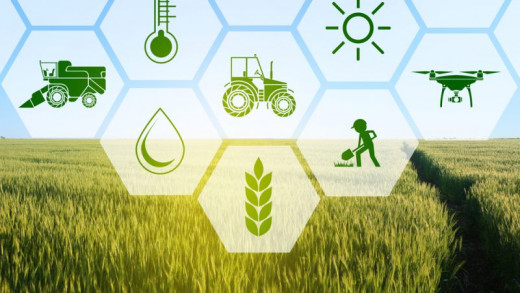
Embracing Digital Transformation in Agribusiness Management
Welcome to the digital era, where technological advancements have revolutionized every aspect of our lives. From smartphones to smart homes, it's undeniable that we are living in a digitally-driven world. And the agribusiness industry is no exception! In fact, embracing digital transformation has become imperative for agribusiness management to thrive in today's competitive landscape.
But what exactly is digital transformation? And how can it benefit the agribusiness sector? In this blog post, we will explore the answers to these questions and uncover practical ways you can embrace digital transformation in your own agribusiness management practices. So get ready to unlock new opportunities and take your agricultural business to unprecedented heights with the power of technology! Let's dive right in.
What is Digital Transformation?
Digital transformation refers to the integration of digital technologies and processes into various aspects of a business, including agribusiness management. It involves leveraging technology to streamline operations, improve efficiency, and enhance decision-making.
In today's fast-paced world, where information is readily available at our fingertips, embracing digital transformation has become essential for businesses to stay competitive. It allows agribusinesses to optimize their supply chains, automate manual tasks, and gain valuable insights from data analysis.
One aspect of digital transformation in agribusiness management is the adoption of precision agriculture techniques. This involves using advanced sensors and monitoring systems to collect real-time data on soil conditions, weather patterns, crop health, and more. With this information at their disposal, farmers can make informed decisions about irrigation scheduling, fertilizer application rates, pest control measures, and overall crop management.
Another area where digital transformation plays a crucial role is in inventory management and logistics. By implementing cloud-based inventory tracking systems or utilizing blockchain technology for traceability purposes, agribusinesses can ensure seamless coordination between suppliers, distributors, and retailers.
Additionally, digital platforms can enable online marketplaces that connect farmers directly with consumers, facilitating direct sales while bypassing traditional intermediaries.
Moreover, digital tools such as mobile applications can provide farmers with access to valuable resources like agricultural knowledge databases, tutorials on best practices, government schemes, and financial services.
These apps empower them by providing timely advice tailored to specific crops or regions, resulting in improved productivity, reduced costs, and increased profitability.
Overall, digital transformation has the potential to revolutionize the way agribusinesses operate. It enables efficient resource allocation, effective risk mitigation,and strategic decision-making. Incorporating emerging technologies not only enhances productivity but also contributes towards sustainable agricultural practices.
By embracing digital transformation in agribusiness management, farmers stand poised for success in an increasingly interconnected world.
The Benefits of Digital Transformation in Agribusiness Management
Digital transformation is revolutionizing the way agribusinesses manage their operations and make informed decisions. The benefits of embracing this transformation are vast and can lead to improved efficiency, productivity, and profitability.
One key benefit of digital transformation in agribusiness management is enhanced data collection and analysis. By utilizing digital tools such as sensors, drones, and satellite imagery, farmers can gather real-time data on soil moisture levels, crop health, and weather patterns. This enables them to make more accurate predictions about yields, optimize irrigation schedules, and implement targeted pest control measures.
Another advantage is the automation of routine tasks. With digital technologies like robotics and artificial intelligence (AI), repetitive activities such as planting seeds or harvesting crops can be performed with minimal human intervention. This not only saves time but also reduces labor costs while increasing overall operational efficiency.
Furthermore, digital transformation facilitates better supply chain management. Through the use of blockchain technology, for example, agribusinesses can track every step of the production process from farm to fork. This ensures transparency and traceability in food safety standards while reducing waste by identifying inefficiencies along the supply chain.
Additionally, the adoption of advanced analytics platforms allows for predictive modeling that helps businesses anticipate market trends, forecast demand, and optimize pricing strategies.
Moreover, digital marketing techniques enable agribusinesses to reach a wider audience through social media campaigns, email marketing, and online sales platforms, resulting in increased brand visibility, sales growth, and customer engagement.
In summary, digital transformation has immense benefits for agribusiness management. Through improved data collection, automation, enahnced supply chain management, and advanced analytics, it empowers farmers to make smarter decisions, increase productivity, reduces costs, and stay ahead in an increasingly competitive market.
How to Embrace Digital Transformation in Agribusiness Management
Embracing digital transformation in agribusiness management is crucial for staying competitive in today's ever-evolving market. By harnessing the power of technology, agribusinesses can streamline operations, increase efficiency, and drive growth. But how exactly can they embrace this digital transformation? Let's explore some key steps.
It is essential to assess your current technological capabilities and identify areas for improvement. Conduct a thorough audit of your existing systems and processes to pinpoint bottlenecks or inefficiencies that could benefit from digitization.
Next, invest in the right tools and technologies that align with your specific business needs. This might include implementing farm management software to optimize crop planning and resource allocation or adopting IoT devices for real-time monitoring of soil conditions and equipment performance.
Moreover, training plays a vital role in embracing digital transformation successfully. Ensure that all employees are equipped with the necessary skills to leverage new technologies effectively. Provide ongoing training sessions or bring in external experts if needed.
In addition to internal changes, collaboration with external partners such as tech vendors or startups can also accelerate digital transformation efforts. Explore strategic partnerships that offer innovative solutions tailored to the unique challenges faced by your agribusiness.
Continuously monitor the impact of these digital initiatives on key performance indicators such as yield, cost savings, customer satisfaction, etc., so you can make data-driven decisions for further improvements.
By following these steps and adapting a mindset open to change and innovation, agribusinesses can fully embrace digital transformation and unlock its immense potential for future success. So don't wait any longer – start reaping the benefits of technology in agribusiness management today!
Conclusion
Embracing digital transformation in agribusiness management is no longer an option, but a necessity for staying competitive in today's rapidly evolving industry. By leveraging the power of technology and data, farmers and agribusinesses can enhance their operations, improve efficiency, and drive growth.
Digital transformation offers numerous benefits to agribusiness management. It allows for better decision-making through real-time data analysis and predictive analytics. Farmers can optimize their crop production by monitoring weather conditions, soil moisture levels, and pest infestations using IoT devices. This results in improved yield quality and quantity.
Additionally, digital tools enable effective supply chain management by tracking inventory levels, optimizing logistics, and reducing wastage. Agribusinesses can also streamline their financial processes with automated accounting systems that provide accurate insights into cash flow and profitability.
To embrace digital transformation in agribusiness management:
1. Invest in advanced technologies: Explore innovative solutions such as precision agriculture techniques like GPS mapping systems or drone technology for efficient field scanning.
2. Adopt cloud-based platforms: Utilize cloud-based software for easy access to data from anywhere at any time while ensuring data security.
3. Implement farm management software: Integrate all aspects of your farming operation onto a centralized platform to streamline tasks such as record-keeping, planning schedules, monitoring equipment maintenance needs etc.
4. Embrace IoT devices: Leverage sensors connected to the internet to collect valuable information on soil moisture levels or livestock health status which help make informed decisions about resource allocation or preventive measures against diseases respectively.
5. Train employees on new technologies: Provide proper training programs so that your workforce is equipped with necessary skills required for effectively utilizing these new technologies resulting from embracing digitization in the agricultural sector successfully
In summary, digital transformation has revolutionized the way we approach agribusiness management by unlocking opportunities for increased productivity, efficiency gains,and sustainable practices.
The key lies not just adopting technology but truly embracing it across all aspects of the agribusiness value chain.

Comments
Post a Comment