Tackling Common Garden Pests: Natural Remedies That Actually Work!
Tackling Common Garden Pests: Natural Remedies That Actually Work!
Welcome to the wonderful world of gardening! Whether you have a flourishing backyard garden or are just starting out with a few potted plants on your balcony, one thing is for certain - pests can wreak havoc on your beautiful green oasis. But fear not, fellow plant enthusiasts!
In this blog post, we'll be exploring some natural remedies that actually work in tackling common garden pests. So roll up your sleeves and get ready to say goodbye to those pesky intruders as we dive into the fascinating realm of pest control for your beloved plants and flowers. Let's get started, shall we?
1. Aphids
Ah, aphids - those tiny, sap-sucking creatures that can quickly turn your lush leaves into a feast. These pesky critters are notorious for multiplying at lightning speed, leaving your plants weak and wilted in their wake. But fret not, dear gardeners! There are several natural remedies you can employ to keep these little troublemakers at bay.
One effective method is to introduce beneficial insects into your garden ecosystem. Ladybugs and lacewings are natural predators of aphids and will happily munch away on them without causing harm to your plants. You can attract these helpful allies by planting flowers such as marigolds or daisies that act as insect magnets.
If you prefer a DIY approach, creating a homemade spray solution using ingredients like neem oil or soapy water can provide excellent results. Simply mix the solution according to the instructions and generously apply it to infested areas of your plants. The oils suffocate the aphids while soap disrupts their protective wax coating, ultimately leading to their demise.
Regularly inspecting your plants for signs of an aphid invasion is crucial in preventing them from taking over completely. Look out for curled leaves or sticky residue known as "honeydew" left behind by these pests. Pruning affected branches or gently washing off infestations with a strong stream of water can help control their population before it spirals out of control.
Remember, patience is key when dealing with aphids. It may take some time for the natural remedies to take effect fully, but rest assured that with persistence and care, you'll be able to reclaim your garden from these relentless little invaders.
2. Caterpillars
Caterpillars can be quite the nuisance in your garden, munching away on your precious plants and leaving behind a trail of destruction. But fear not, there are natural remedies that actually work to tackle these pesky pests!
One effective way to deal with caterpillars is by encouraging natural predators such as birds, ladybugs, and wasps into your garden. These insects feed on caterpillars and help keep their population in check.
Another option is handpicking the caterpillars off your plants. This may seem tedious, but it can be a therapeutic task for some gardeners. Just make sure to wear gloves if you're dealing with hairy or spiky caterpillars to avoid any irritation.
If you prefer a more hands-off approach, consider using organic insecticides specifically formulated for controlling caterpillar infestations. Look for products containing Bacillus thuringiensis (Bt), which is a naturally occurring bacteria that targets only certain types of caterpillars without harming beneficial insects.
Additionally, planting companion plants like marigolds or garlic around susceptible crops can help deter caterpillars due to their strong scent.
Regularly inspecting your plants for eggs and larvae is crucial in preventing major infestations. By catching them early on and taking appropriate action, you'll minimize the damage caused by these voracious eaters.
Remember that having some level of pest presence is normal in any garden ecosystem. It's all about finding a balance between allowing nature to take its course while also protecting our beloved plants from excessive harm caused by unwanted visitors like caterpillars!
3. Cutworms
If you've ever had the unfortunate encounter with cutworms, you know just how destructive they can be to your garden. These sneaky little critters are actually moth larvae that hide beneath the soil during the day and emerge at night to feed on young plants.
Identifying cutworm damage is relatively easy - look for seedlings that have been severed at ground level. It's disheartening to see all your hard work literally chopped down overnight! But fear not, there are natural remedies you can use to combat these voracious pests.
One effective method is using collars made of cardboard or aluminum foil around each plant stem. This creates a physical barrier that prevents cutworms from reaching their target. Another option is sprinkling diatomaceous earth around your plants – this abrasive substance will irritate and dehydrate them, making it difficult for them to crawl over.
Encouraging beneficial insects like parasitic wasps and ground beetles into your garden can also help control cutworm populations naturally. Planting insect-repellent herbs such as basil, mint, and thyme nearby may deter them as well.
Remember, prevention is key when it comes to managing any pest problem in the garden. Proper sanitation practices like removing debris and weeds where cutworms may hide can go a long way in reducing their numbers.
With these natural remedies and preventive measures in place, you'll be able to tackle those pesky cutworms head-on without resorting to harmful chemicals or pesticides. Happy gardening!
4. Earwigs
Earwigs can be a real nuisance in the garden. These small, elongated insects with pincer-like appendages on their abdomen are known for their voracious appetite and tendency to munch on plants. If left unchecked, they can cause considerable damage to your precious plants.
So how do you deal with these sneaky critters naturally? One effective method is to create homemade traps using simple household items like rolled-up newspaper or cardboard tubes. Place them near the affected plants and check them regularly. You'll often find earwigs seeking shelter inside these traps during the day, making it easy for you to dispose of them later.
Another natural remedy involves creating a barrier around your garden beds using diatomaceous earth or crushed eggshells. These abrasive substances act as deterrents, preventing earwigs from crawling up onto your plants.
To further discourage these pests from taking up residence in your garden, consider removing any debris or mulch that may provide hiding places for them. Additionally, reducing moisture levels by watering in the morning rather than at night can help make your garden less inviting to earwigs.
Remember, when it comes to tackling pests like earwigs, prevention is key! By implementing these natural remedies and maintaining good gardening practices, you can keep these unwelcome visitors at bay and ensure a healthy garden all season long.
5. Japanese Beetles
Japanese Beetles are a common garden pest that can wreak havoc on your plants. These shiny, metallic green beetles may be small, but they can quickly multiply and cause significant damage to leaves and flowers.
One effective natural remedy for Japanese Beetles is handpicking them off your plants. Simply go out in the early morning or late evening when the beetles are less active and drop them into a bucket of soapy water. This method requires patience and consistency, but it can be an efficient way to control their population.
Another option is to use beneficial nematodes. These microscopic worms attack the larvae of Japanese Beetles in the soil, preventing them from maturing into adults. You can purchase nematodes at garden centers or online and apply them according to the instructions provided.
Additionally, planting certain companion plants like garlic, chives, or tansy near susceptible plants may help repel Japanese Beetles due to their strong scent. These aromatic herbs confuse and deter these pests from landing on your precious foliage.
It's important to note that prevention is key when dealing with any garden pest, including Japanese Beetles. Regularly inspect your plants for signs of infestation and take action as soon as you spot any beetles or their characteristic skeletonized leaves.
By implementing these natural remedies for Japanese Beetles alongside proper preventive measures such as maintaining healthy soil conditions and providing adequate plant nutrition, you'll be well-equipped to protect your garden against these pesky invaders!
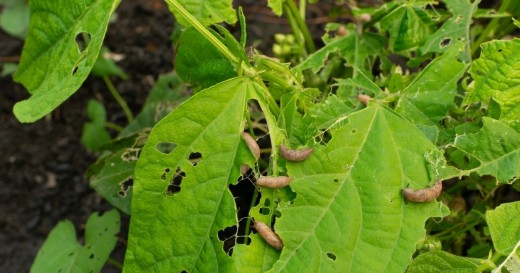
6. Slug and Snails
Slug and snails can be a major headache for gardeners. These slimy creatures love to munch on our beloved plants, leaving behind a trail of destruction. But fear not, there are natural remedies that actually work in keeping these pests at bay.
One effective method is using barriers such as copper tape or crushed eggshells around your plants. Slugs and snails dislike the sensation of crawling over these sharp materials, so they'll be discouraged from feasting on your precious foliage.
Another option is creating beer traps. Simply bury a shallow container in the ground and fill it with beer. The scent will attract slugs and snails who will then drown in the liquid. It's an easy and inexpensive way to control their population.
If you prefer a more hands-on approach, you can manually pick off slugs and snails from your plants during dusk or dawn when they're most active. Remember to dispose of them properly by relocating them away from your garden.
Natural predators like birds, frogs, or hedgehogs can also help keep slug populations under control. Encourage these critters to visit your garden by providing bird feeders or building small ponds.
Make sure to maintain good garden hygiene by removing any debris or hiding spots where slugs and snails may reside during the day.
By implementing these natural solutions into your gardening routine, you can protect your plants without resorting to harmful chemicals or pesticides! Keep those pesky slugs and snails at bay while enjoying a thriving garden all season long!

Comments
Post a Comment