The Future of Agribusiness Management: Trends and Predictions
The Future of Agribusiness Management: Trends and Predictions
Welcome to the exciting world of agribusiness management, where innovation and sustainability intertwine with traditional farming practices. As we look towards the future, it's impossible to ignore the rapid changes occurring in this dynamic industry. From advancements in technology to shifting workforce demographics, agribusiness management is evolving at an unprecedented pace.
In this blog post, we will explore the trends and predictions that are shaping the future of agribusiness management and discuss how these developments will impact farmers, businesses, and consumers alike. So grab a cup of coffee (or perhaps a glass of fresh milk!) as we delve into what lies ahead for this vital sector!
The Current State of Agribusiness Management
The current state of agribusiness management is a fascinating blend of tradition and innovation. On one hand, we see farmers relying on tried-and-true methods passed down through generations, ensuring the production of high-quality crops and livestock. On the other hand, technology is revolutionizing every aspect of the industry.
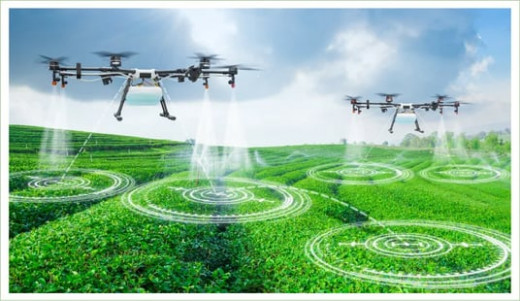
Precision agriculture has become increasingly prevalent, with the use of drones and satellite imagery to monitor crop health and optimize resource allocation. This not only improves efficiency but also minimizes environmental impact by reducing water usage and pesticide application.
Moreover, data analytics plays a crucial role in decision-making processes. Farmers can now harness vast amounts of information to make informed choices regarding planting schedules, fertilizer application rates, and even market trends.
Another significant development is the growing emphasis on sustainable practices. Agribusinesses are recognizing that responsible stewardship of natural resources is key to long-term success. From adopting organic farming methods to implementing renewable energy sources on farms, sustainability has become a core value for many in the industry.
Additionally, global food security remains a pressing concern as populations continue to rise rapidly. Agribusiness management must find innovative solutions to meet this demand while maintaining quality standards.
In conclusion (not concluded), the current state of agribusiness management showcases an exciting integration between traditional practices and cutting-edge technologies. As we move forward into uncharted territory, it will be essential for businesses in this field to adapt quickly and embrace new advancements while staying true to their roots - feeding nations sustainably while nurturing our precious Earth's resources.
Industry Predictions for the Next 5-10 Years
As we look ahead to the future of agribusiness management, there are several industry predictions that experts have made for the next 5-10 years. One major trend is the increasing adoption of technology in agriculture. With advancements in robotics, drones, and artificial intelligence, farmers will have access to more data and automation than ever before.
This technology will not only improve efficiency but also help address some of the challenges facing agriculture such as labor shortages and climate change. For instance, drones equipped with sensors can monitor crops for diseases or nutrient deficiencies, allowing farmers to take proactive measures to protect their yield.
Another prediction is a shift towards more sustainable practices. As consumers become more conscious about where their food comes from and how it is produced, agribusinesses will need to prioritize sustainability. This means implementing environmentally friendly farming methods such as precision agriculture techniques or organic farming.
Additionally, there will be an increased focus on traceability and transparency in the supply chain. Consumers want to know exactly where their food comes from and how it was produced. Agribusinesses that can provide this information through blockchain technology or other tracking systems will gain a competitive edge.
Furthermore, diversification may become essential as unpredictable weather patterns continue to affect crop yields. Farmers may need to explore alternative crops or invest in greenhouse technologies that offer greater control over growing conditions.
There will likely be a continued emphasis on collaboration within the industry. Agribusinesses can benefit from sharing knowledge and resources with one another through partnerships or cooperative ventures.
These predictions suggest an exciting future for agribusiness management filled with technological advancements, sustainable practices, increased transparency,and collaborative efforts among stakeholders across the supply chain
The Impact of New Technology on Agribusiness Management
The impact of new technology on agribusiness management is undeniable. With advancements in automation, precision agriculture, and data analytics, the industry is experiencing a significant transformation.
Automation has revolutionized various aspects of agribusiness management. From robotic milking machines to autonomous tractors, tasks that were once labor-intensive can now be efficiently carried out by machines. This not only increases productivity but also reduces costs for farmers.
Precision agriculture takes advantage of technologies like GPS and remote sensing to optimize farm operations. Farmers can monitor crop health, soil conditions, and weather patterns in real-time. By applying inputs precisely where they are needed, such as irrigation water or fertilizers, farmers can minimize waste while maximizing yields.
Data analytics plays a crucial role in making informed decisions in agribusiness management. By collecting and analyzing vast amounts of data from sensors and devices throughout the farm, farmers gain valuable insights into their operations. This enables them to make data-driven decisions regarding planting schedules, crop rotation strategies, pest control measures, and more.
Another area where new technology is making an impact is supply chain management. Blockchain technology ensures transparency and traceability throughout the entire supply chain—from seed production to distribution—helping build trust between producers and consumers.
In conclusion (not conclusive), the integration of new technologies will continue to shape the future of agribusiness management. Farms will become increasingly interconnected through smart devices and IoT solutions that enable seamless communication between equipment and systems. As these technologies advance further with AI integration (avoid repetitive words), we can expect even greater efficiencies in resource allocation (avoid repetitive phrases)and sustainable practices within the industry.
The Changing Workforce in Agribusiness
The changing workforce in agribusiness is a topic that cannot be ignored. As technology continues to advance and new practices emerge, the skills needed in this industry are evolving rapidly.
One of the major shifts we are seeing is a move towards more digitalization and automation. This means that workers will need to have a strong understanding of technology and be able to adapt quickly to new systems and processes. From using drones for crop monitoring to implementing AI-powered analytics tools, there is no doubt that technology will play an increasingly important role in agribusiness management.
Another aspect of the changing workforce is the focus on sustainability. Consumers are becoming more conscious about where their food comes from and how it was produced. This has led to a growing demand for sustainable farming practices, such as organic farming and regenerative agriculture. As a result, agribusiness managers will need to have knowledge of these practices and be able to implement them effectively.
Additionally, there is a growing emphasis on diversity and inclusion in the workforce. Agribusiness companies are recognizing the importance of having diverse perspectives at all levels of the organization. This includes not only gender and ethnic diversity but also diversity in terms of background, education, and experience.
It is clear that the workforce in agribusiness is undergoing significant changes due to technological advancements, sustainability concerns, and increased focus on diversity. To thrive in this evolving industry, professionals will need to embrace new technologies, adopt sustainable practices, and promote inclusivity within their organizations.
The Role of Sustainability in the Future of Agribusiness
Sustainability has emerged as a key factor shaping the future of agribusiness. With growing concerns about climate change, resource depletion, and food security, businesses in the agriculture industry are recognizing the need to adopt sustainable practices.
One area where sustainability is gaining traction is in agricultural production methods. Traditional farming practices have often been associated with negative impacts on the environment, such as soil degradation and water pollution. However, there is a growing emphasis on adopting sustainable farming techniques that minimize these adverse effects while maximizing productivity.
In addition to sustainable production methods, there is also a focus on improving supply chain sustainability. This involves optimizing transportation routes to reduce greenhouse gas emissions and implementing efficient packaging solutions to minimize waste.
Moreover, consumers are increasingly demanding transparency and accountability from agribusinesses regarding their environmental impact. They want to know where their food comes from and how it was produced. As a result, companies are investing in technologies like blockchain that enable traceability throughout the supply chain.
Furthermore, sustainability extends beyond just environmental considerations; it also encompasses social and economic aspects. Agribusinesses are recognizing the importance of supporting local communities by providing fair wages and promoting inclusive growth.
Incorporating sustainability into agribusiness management will not only help mitigate environmental risks but also ensure long-term profitability. By embracing sustainable practices at every stage of the value chain – from production to distribution – organizations can position themselves for success in an increasingly conscious market.
Conclusion
As we look towards the future of agribusiness management, it is evident that significant changes are on the horizon. The industry is evolving rapidly, driven by advancements in technology, changing consumer preferences, and a renewed focus on sustainability.
The current state of agribusiness management has seen a shift towards data-driven decision-making and precision agriculture. This trend will only continue to grow as new technologies emerge, enabling farmers to optimize their operations and increase productivity.
Industry predictions for the next 5-10 years indicate that automation will play a crucial role in agribusiness management. From autonomous vehicles and drones to robotic harvesting systems, these technological innovations have the potential to revolutionize farming practices and streamline operations.
Furthermore, the workforce in agribusiness is also experiencing significant changes. As older generations retire or transition out of traditional farming roles, younger individuals with diverse skill sets are entering the industry. This influx of talent brings fresh perspectives and innovative ideas that will shape the future of agribusiness management.
Sustainability is another key factor shaping the future landscape of agribusiness. With growing concerns about climate change and environmental impact, consumers are demanding more sustainable agricultural practices. Agribusinesses must adapt by implementing sustainable strategies such as regenerative agriculture techniques, reducing waste through efficient supply chains, and prioritizing responsible stewardship of natural resources.
In conclusion (without using those exact words), it is clear that there are exciting times ahead for agribusiness management. The convergence of technology advancements and shifting consumer demands presents both challenges and opportunities for professionals in this field. By embracing innovation while staying committed to sustainability principles, agribusinesses can thrive in an ever-changing landscape.

Comments
Post a Comment